
The easy rotting of boiled dumplings may be related to factors such as improper water temperature control, insufficient dumpling skin thickness, excessive moisture content in the filling, excessive stirring force, and frozen dumplings that have not thawed.
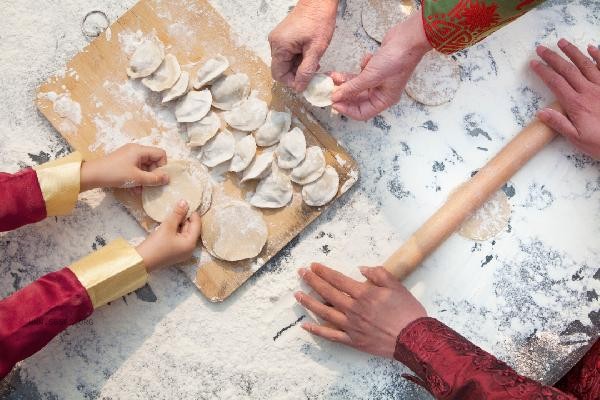
1. Improper control of water temperature
Boiling water vigorously can cause dumpling wrappers to collide and break. It is recommended to turn the water to low heat after boiling to maintain a slight boiling state. If the water temperature is insufficient, starch cannot be quickly gelatinized and solidified, and the dumpling skin is prone to dissolution and damage. The traditional boiling method adjusts the temperature by adding cold water in stages, which helps to avoid continuous boiling.
2. Insufficient thickness of dumpling wrappers
When rolled out too thin, the dumpling wrappers experience a decrease in load-bearing capacity during cooking, especially at the edges where they are pinched and prone to cracking. It is recommended to maintain a gradient structure with thick center and thin edges for manual rolling, and the thickness of commercial dumpling wrappers should not be less than 0.8 millimeters. The dough made from low gluten flour such as whole wheat requires an increase in thickness.
3. Excessive moisture in the filling
If the vegetable filling is not squeezed dry or the meat filling is not watered, steam pressure will be generated during heating. It is recommended to salt and dehydrate vegetables with high moisture content such as chives first, and the meat filling can be done by using the method of tapping in batches. Mushroom fillings should be pre fried to remove some moisture and avoid bursting the dough during cooking.
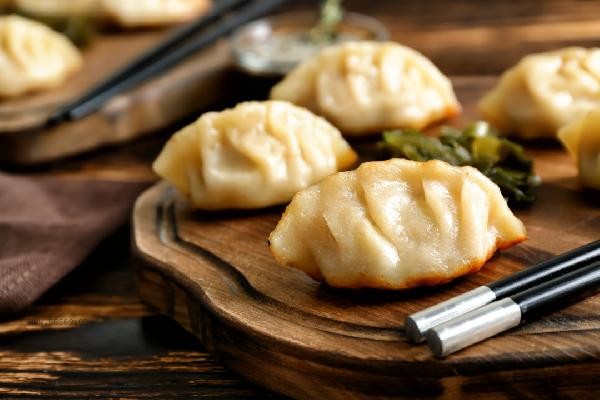
4. Excessive stirring force
After cooking, excessive stirring can cause dumplings to collide and damage each other. Wooden spatulas are gentler than metal materials. The correct method is to gently push the dumplings along the edge of the pot to prevent sticking, and add a small amount of cold water after they float up. Repeat this process two to three times. Quick frozen dumplings should avoid vigorous stirring.
5. Frozen dumplings that have not thawed
Directly cooking frozen dumplings can cause the outer skin to gelatinize and the inner filling to thaw out of sync. It is recommended to slowly thaw in the refrigerator for two hours. Dumplings made by rapid freezing process do not need to be thawed, but need to be boiled in warm water. Dumplings that have been frozen for more than a month are more prone to breakage due to aging gluten. When cooking dumplings, you can add a small amount of salt or cooking oil to the water to enhance the toughness of the dough, and use a deep pot to reduce dumpling stacking. Fresh dumplings are recommended to be boiled in water, while frozen dumplings are suitable for warm water. Observing the condition of the dumplings, if the skin is semi transparent and evenly floating, it is considered mature. Paired with a spoon for retrieval can reduce mechanical damage, and after retrieval, it should be promptly spread out to prevent adhesion. If you pursue a better taste, you can try alternative cooking methods such as steaming or frying.








Comments (0)
Leave a Comment
No comments yet
Be the first to share your thoughts!