
It is generally not recommended to eat bananas on an empty stomach, as it may cause gastrointestinal discomfort or affect blood sugar fluctuations. Bananas contain a high amount of sugar and potassium, and consuming them on an empty stomach may stimulate stomach acid secretion or cause electrolyte imbalances.
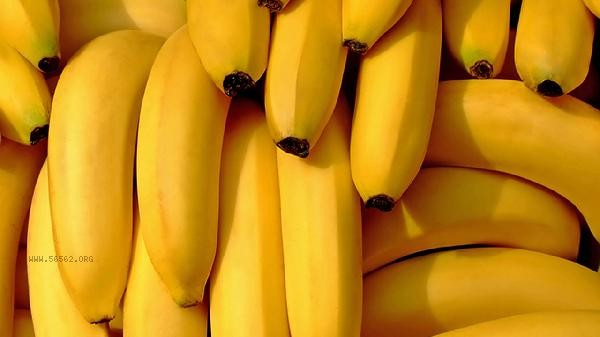
When bananas are eaten directly on an empty stomach, their high sugar content may quickly enter the blood and cause blood glucose fluctuations, especially for diabetes patients or people with abnormal glucose tolerance. Tannic acid and pectin in bananas may irritate the fasting gastric mucosa, causing discomfort such as acid reflux and bloating in some sensitive individuals. A high potassium content may pose a burden on individuals with renal insufficiency, but occasional consumption on an empty stomach in small amounts is usually not harmful for healthy individuals. People with underlying diseases such as gastric ulcers and gastritis who eat bananas on an empty stomach may experience worsening symptoms. High sugar fruit intake on an empty stomach in patients with diabetes is likely to induce a sudden rise in blood sugar, which should be cautious. After exercise or during low blood sugar, it can be used as an emergency energy supplement, but should not be consumed on an empty stomach for a long time. Children and the elderly have weaker gastrointestinal function, it is recommended to mix with other foods to slow down absorption rate.
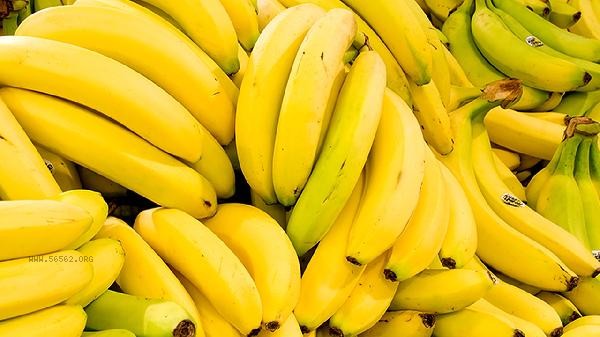
Daily dietary recommendations include bananas as an extra or postprandial fruit, paired with oats, nuts, etc. to slow down sugar absorption. People with gastrointestinal sensitivity can choose ripe bananas to reduce tannic acid stimulation. Maintain dietary diversity and avoid long-term consumption of high sugar fruits on an empty stomach. Special populations should adjust their eating habits according to their own health conditions.








Comments (0)
Leave a Comment
No comments yet
Be the first to share your thoughts!