
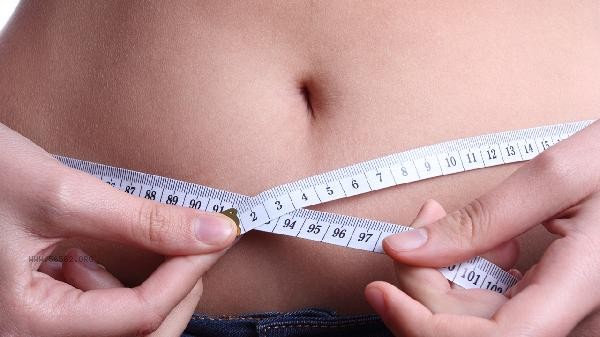
Protein can lose weight mainly because it has the effects of enhancing satiety, promoting muscle synthesis, and increasing metabolic rate. The mechanism of protein weight loss mainly includes increasing the thermogenic effect of food, reducing fat synthesis, stabilizing blood sugar levels, inhibiting appetite hormones, and promoting fat breakdown.
1. Increasing Food Heat Effect
The food heat effect of protein is much higher than that of carbohydrates and fats, and it consumes more calories during digestion and absorption. Protein breakdown in the stomach requires more energy, and this thermogenic effect can help the body continue to burn calories after eating, indirectly promoting fat burning. A high protein diet can slightly increase daily energy expenditure, and long-term accumulation has a positive impact on weight loss.
2. Reducing fat synthesis
Protein intake can lower the activity of fat synthesis enzymes in the liver, reducing the probability of carbohydrates being converted into fat. When the proportion of protein in the diet increases, excess energy will be prioritized for protein metabolism rather than fat storage. At the same time, proteins can stimulate the secretion of glucagon, a hormone that has the effect of inhibiting fat accumulation.
3. Stable blood sugar levels
When protein and carbohydrates are mixed in, it can slow down gastric emptying and avoid severe postprandial blood sugar fluctuations. A stable blood sugar level can reduce the excessive secretion of insulin, thereby lowering the fat storage signal. This characteristic makes high protein diet more suitable for diabetes patients or insulin resistance people to control weight.

4. Appetite suppressant hormone
Protein can stimulate the secretion of satiety hormones such as cholecystokinin and glucagon like peptide-1 in the intestine, while inhibiting the production of ghrelin. This dual regulatory effect can prolong satiety time and reduce unnecessary snack intake. Research shows that a high protein breakfast can automatically reduce calorie intake during lunch.
5. Promote fat breakdown
Adequate protein intake can maintain lean body mass and avoid muscle loss during weight loss. Muscle tissue is metabolically active, and its content directly affects the basal metabolic rate. The branched chain amino acids in proteins can also activate lipolytic enzymes, promoting the release of fatty acids from adipocytes for energy supply, which is particularly evident after exercise. When adopting a high protein diet for weight loss, it is recommended to prioritize high-quality protein sources such as fish, chicken breast, and soy products, and control the daily intake at 1.2-1.6 grams per kilogram of body weight. Adequate amounts of vegetables and fruits should be paired to ensure dietary fiber and vitamin intake, avoiding nutritional imbalance. At the same time, maintaining regular exercise can enhance the muscle building effect of protein, and supplementing protein within 30 minutes after exercise is more effective. Individuals with renal dysfunction should adjust their protein intake under the guidance of a doctor to avoid exacerbating the burden on the kidneys. During a long-term high protein diet, blood uric acid and renal function indicators should be regularly monitored.









Comments (0)
Leave a Comment
No comments yet
Be the first to share your thoughts!