
The lack of sweetness in homemade pomelos may be related to factors such as variety selection, cultivation management, climate conditions, soil fertility, and harvesting time.
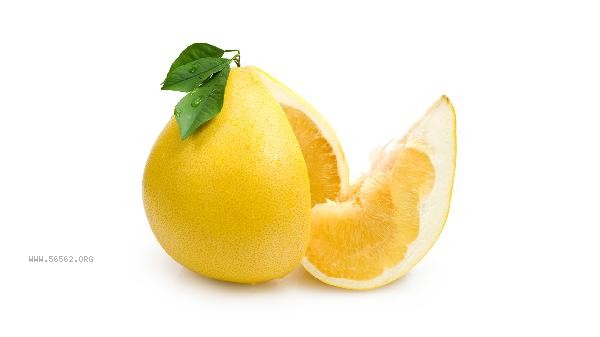
1. Variety selection
Pomelo varieties directly affect the sweetness of the fruit, and some varieties themselves have lower sugar content. Before planting, it is necessary to choose sweet pomelo varieties that are suitable for the local climate, such as Shatian pomelo or honey pomelo. Different varieties have significant differences in their requirements for light and temperature, and incorrect selection may lead to poor fruit development.
2. Cultivation Management
Improper water management can dilute the accumulation of sugar in fruits, and excessive watering during the fruit swelling period may reduce sweetness. Proper water control can help concentrate sugar, but it is necessary to avoid fruit drop caused by drought. Excessive pruning can reduce the area of photosynthesis, affecting nutrient synthesis and transport.
3. Climate conditions
During the ripening period of pomelo, sufficient light and temperature difference between day and night are required. Insufficient temperature difference can lead to a decrease in sugar conversion efficiency. Continuous rainy weather can reduce the accumulation of photosynthetic products, and low temperatures during fruit ripening may halt the sugar conversion process.
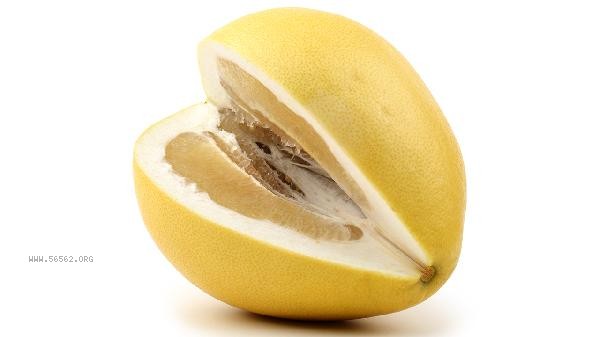
4. Soil Fertility
Insufficient soil organic matter content can affect root absorption function, while excessive nitrogen fertilizer can promote branch and leaf growth while inhibiting sugar accumulation. Appropriately increasing the application of phosphorus and potassium fertilizers can promote sugar transport, while a lack of trace elements may lead to fruit development disorders.
5. Harvesting Time
Early harvesting can interrupt the process of sugar accumulation, and the acidity is higher when the fruit has not reached physiological maturity. The maturity period of different varieties varies greatly, and the timing of harvesting needs to be comprehensively judged based on factors such as skin color and aroma. Some varieties require a post ripening process to enhance sweetness. Improving the sweetness of grapefruit requires comprehensive regulation of multiple factors. After selecting high sugar varieties, sufficient light should be ensured during the growth period, nitrogen fertilizer should be controlled and potassium fertilizer should be increased during the fruit development period, and water should be moderately controlled before maturity. Maintain soil pH within a slightly acidic range and regularly supplement organic fertilizers to improve soil quality. Pay attention to the phenological period and harvest when the fruit is fully ripe. Some varieties may be harvested at a later time. During the planting process, it is necessary to continuously observe the tree vigor, adjust management measures in a timely manner, and if necessary, conduct soil testing to supplement nutrients in a targeted manner.








Comments (0)
Leave a Comment
No comments yet
Be the first to share your thoughts!