
People with weak digestive function, allergies, gout, renal insufficiency, and young children are not suitable for eating mushrooms. Mushrooms are rich in dietary fiber, purines, and special protein components, which may induce or exacerbate health risks in specific populations.
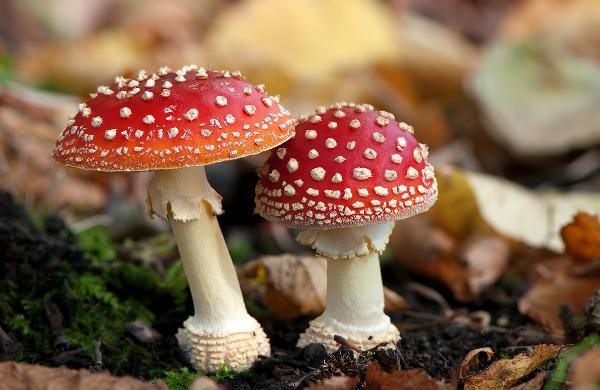
1. People with weak digestive function
Mushrooms contain difficult to digest components such as chitin in their cell walls. People with poor gastrointestinal function are prone to bloating and diarrhea after consuming them. During the postoperative recovery period, patients with chronic gastritis, and the elderly should control their intake. It is recommended to chop and cook mushrooms until they are tender before consuming them in small quantities.
2. Allergic constitution
Mushrooms containing heterologous proteins may cause allergic reactions, manifested as symptoms such as skin itching and laryngeal edema. Patients with a history of food allergies or hay fever should be cautious when trying new varieties of mushrooms, and it is recommended to undergo a skin test before consuming them for the first time.
Thirdly, gout patients
have about 50-150 milligrams of purine per 100 grams of mushrooms, which belongs to the category of high purine foods. Frequent consumption by individuals with abnormal uric acid metabolism may induce joint pain. It should be strictly avoided during acute attacks, and should not be consumed more than twice a week during remission.
4. Individuals with renal insufficiency
The higher potassium and phosphorus content in mushrooms can increase the metabolic burden on the kidneys. Patients with decreased glomerular filtration rate should limit their intake to avoid complications such as hyperkalemia. It is recommended to blanch to reduce mineral content during cooking.
V. Underage Children
Children under the age of 3 have underdeveloped digestive systems and mushroom texture, which can pose a risk of coughing. Parents should make mushrooms into a paste or soup and observe for adverse reactions such as rash and vomiting after the first feeding.
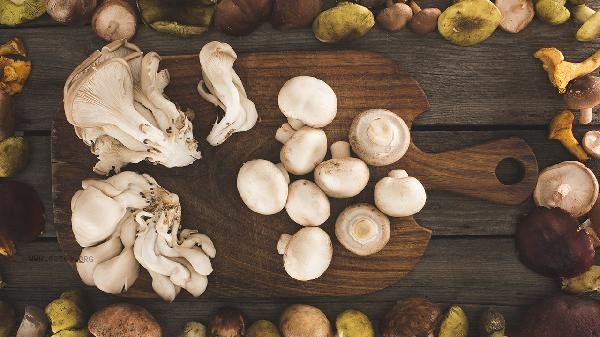
The recommended daily intake of mushrooms for healthy individuals is 50-100 grams, and fresh and mold free varieties should be selected and fully heated before consumption. Combining vegetables rich in vitamin C can promote iron absorption and avoid consuming high calcium foods that can affect nutrient utilization. Special populations should consult a doctor or nutritionist before consumption, stop eating immediately if discomfort occurs, and seek medical attention promptly. Daily diet should pay attention to variety and should not be overconsumed due to the rich nutrition of mushrooms.








Comments (0)
Leave a Comment
No comments yet
Be the first to share your thoughts!