
The choice of sports drinks should be determined based on the intensity, duration, and individual needs of the exercise. Common types include electrolyte type, energy supplement type, protein type, vitamin type, and low sugar type.

1. Electrolyte type
is suitable for people who engage in moderate to high-intensity exercise or sweat for a long time. It mainly supplements electrolytes such as sodium and potassium to help maintain fluid balance and muscle function. This type of beverage can prevent cramps and dehydration after exercise, but hypertensive patients should pay attention to their sodium content.
2. Energy supplement type
is high in carbohydrates and sugar, suitable for endurance sports such as marathons, which can quickly provide energy and delay fatigue. However, diabetes patients or people with reduced fat should control their intake to avoid blood sugar fluctuations.
3. Protein type
Adding whey protein or plant protein is suitable for helping muscle repair after strength training. Drinking within 30 minutes after exercise has a better effect, but those with abnormal kidney function should choose carefully.
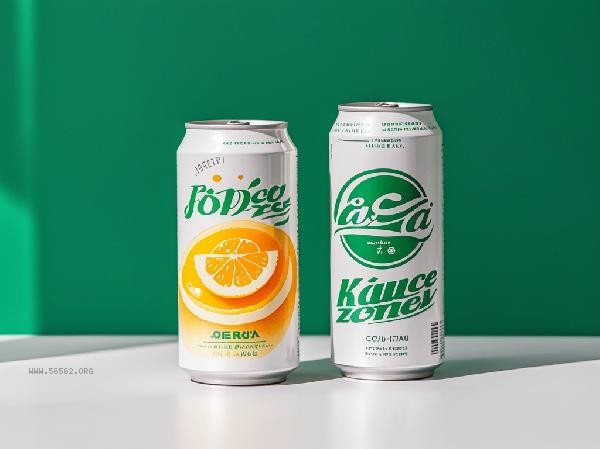
4. Vitamin type
strengthens B vitamins or vitamin C, suitable for people who exercise lightly in daily life, and helps alleviate exercise fatigue. However, excessive vitamin intake may increase metabolic burden and does not require long-term dependence.
5. Low sugar type
uses sugar substitutes or reduces sugar addition, suitable for fitness enthusiasts who control calorie intake. It should be noted that some sugar substitutes may cause gastrointestinal discomfort, and it is recommended to choose according to tolerance.

It is recommended to first replenish water after exercise, and then choose beverages according to the type of exercise. After high-intensity exercise, drinks containing sugar and electrolytes can be selected, and for daily fitness, low sugar or sugar free versions can be chosen. Pay attention to the ingredient list to avoid products with too many additives. Drinking small amounts before, during, and after exercise will have better results. Individuals with special health conditions should be selected under the guidance of a doctor or nutritionist.








Comments (0)
Leave a Comment
No comments yet
Be the first to share your thoughts!