
Tea egg and boiled eggs have their own nutritional advantages, and the specific selection needs to be determined according to individual needs. Boiled eggs can maximize the retention of protein and vitamins, while Tea egg increase minerals and antioxidant substances due to the process of braising.
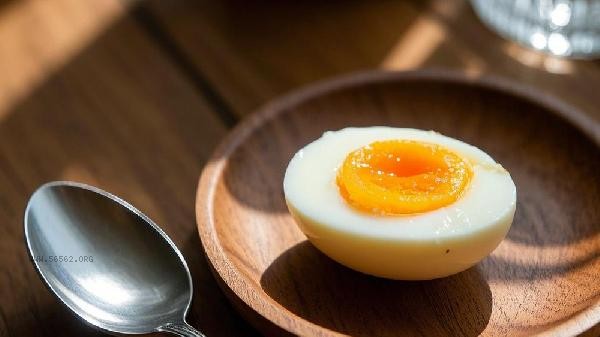
Boiled eggs are cooked with clean water, and the high-quality protein, lecithin, vitamin A, vitamin D and other nutrients in the egg white and yolk are almost not lost. The protein digestion and absorption rate can reach over 90%, making it suitable for fitness enthusiasts, postoperative recovery patients, and those who need rapid protein supplementation. Choline in egg yolks is beneficial for brain development, while lutein helps protect vision. But boiled eggs have a single taste, and long-term consumption may reduce appetite.

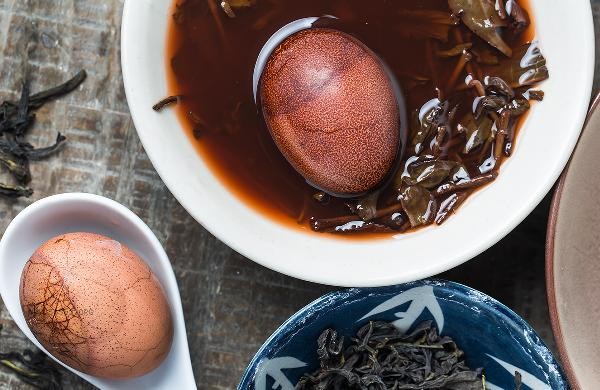
The ingredients of Tea egg will be infiltrated into tea, soy sauce and spices during the brine processing. The tea polyphenols in tea have antioxidant properties, soy sauce contains iron elements, and spices such as star anise and cinnamon contain volatile oils. Braised eggshells produce fine cracks, and some minerals can penetrate into the protein. However, prolonged cooking can lead to the loss of some B vitamins and a significant increase in sodium content. Tea egg with rich taste are more suitable as a meal food, but patients with hypertension need to control the consumption.
It is recommended that healthy people eat two kinds of eggs alternately. Boiled eggs can be the main source of protein for breakfast, and Tea egg are suitable for addition. Children and pregnant women are advised to focus on boiled eggs and avoid excessive intake of sodium and theophylline. Regardless of the method chosen, it is important to ensure that the eggs are thoroughly cooked to avoid contamination with Salmonella. The recommended daily intake of eggs is 1-2, and patients with hypercholesterolemia can reduce their egg yolk intake appropriately. Eating with fresh vegetables and fruits can better promote nutrient absorption and utilization.








Comments (0)
Leave a Comment
No comments yet
Be the first to share your thoughts!