
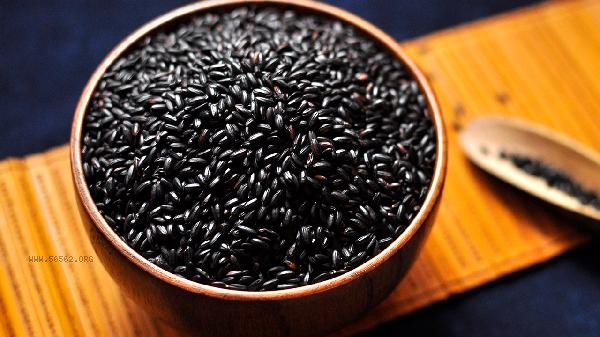
Purple rice and black rice each have nutritional advantages. Purple rice has a higher content of anthocyanins, while black rice is richer in dietary fiber and minerals. The selection should be based on individual nutritional needs. Purple rice is rich in anthocyanins, a natural antioxidant that helps to eliminate free radicals in the body and delay the process of cellular aging. Purple rice has slightly higher protein content than regular rice and contains more lysine. The content of B vitamins in purple rice is relatively balanced, especially vitamins B1 and B2. After cooking, purple rice presents a unique purple black color, with a soft and moderate texture, suitable for making desserts and staple foods. Purple rice has a high iron content, which is helpful in preventing iron deficiency anemia. The outer skin of black rice contains a large amount of dietary fiber, which can promote gastrointestinal peristalsis and improve digestive function. Black rice has a prominent mineral content, especially rich in trace elements such as zinc and selenium. The vitamin E content in black rice is higher than that in ordinary rice, and it has antioxidant and cell membrane protective effects. Black rice needs to be soaked and cooked for a long time, and is suitable for making porridge or health rice. The protein content of black rice is comparable to that of purple rice, but the amino acid composition is slightly different.
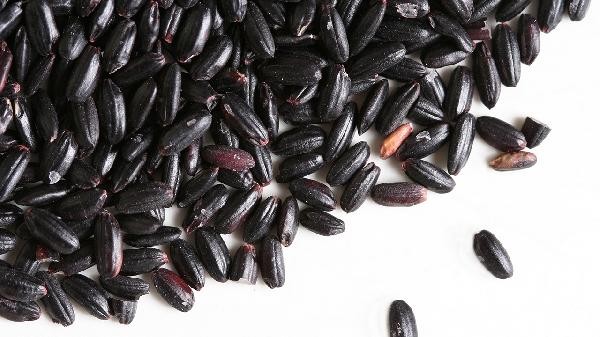
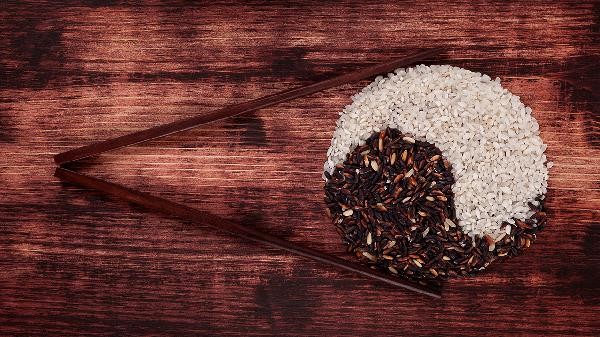
It is recommended to choose according to personal constitution and needs. Purple rice is suitable for people who need antioxidants, while black rice is more suitable for people who need to supplement minerals and improve digestion. Two types of rice can be consumed alternately and cooked together with other coarse grains to ensure nutritional balance and increase dietary diversity. When cooking, the soaking time can be appropriately extended, and steaming can be used to retain more nutrients. Special groups such as diabetes patients should pay attention to controlling the intake, and those with weak gastrointestinal function should be fully cooked and eaten.








Comments (0)
Leave a Comment
No comments yet
Be the first to share your thoughts!