
Glutinous rice and black glutinous rice have different nutritional values, with black glutinous rice being more prominent in terms of mineral and anthocyanin content, while glutinous rice is easier to digest and absorb. The nutritional differences between the two types of glutinous rice are mainly reflected in dietary fiber, iron elements, anthocyanins, protein content, and glycemic index. The deep purple outer skin of black glutinous rice contains abundant anthocyanins, a natural antioxidant that helps to eliminate free radicals in the body and is beneficial for protecting cardiovascular health. The iron content of black glutinous rice is significantly higher than that of ordinary glutinous rice, which has advantages in preventing iron deficiency anemia. Black glutinous rice also contains more dietary fiber, which can promote intestinal peristalsis, but it is relatively more difficult to digest. Although ordinary glutinous rice has a lower mineral content, its branched starch structure is more easily broken down by the human body, making it suitable for people with weaker digestive functions to consume. The protein content of the two types of glutinous rice is similar, but the amino acid composition of black glutinous rice is slightly balanced. From the perspective of glycemic index, black glutinous rice has a relatively mild blood glucose response due to its high dietary fiber content. The starch structure of ordinary glutinous rice makes its sugar rise faster, and diabetes patients need to control their intake. Black glutinous rice requires longer soaking and cooking time to soften, while regular glutinous rice has a shorter cooking time. Black glutinous rice is suitable for making nourishing Tonic Diet, while ordinary glutinous rice is more suitable for making daily Dim sum. Both types of glutinous rice contain rich B vitamins, but black glutinous rice preserves more nutrients from the bran.
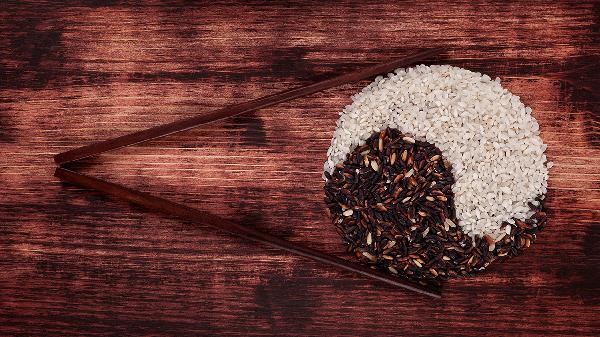
It is recommended to choose the type of glutinous rice based on personal constitution and needs. For those with poor digestive function, ordinary glutinous rice can be preferred. For those who need blood supplementation or antioxidant, black glutinous rice is suitable for consumption. Regardless of which type of glutinous rice you choose, you should pay attention to controlling your intake. Glutinous rice foods have high calories, and excessive consumption may lead to discomfort such as bloating. Glutinous rice can be paired with miscellaneous grains for consumption, such as adding red beans, Job's tears, etc., which can not only enrich nutrition but also reduce glycemic index. It is recommended to pair vegetables and protein foods when consuming to ensure a balanced nutrition.








Comments (0)
Leave a Comment
No comments yet
Be the first to share your thoughts!