
Glutinous rice usually has higher calories than rice. Under the same weight, glutinous rice contains more carbohydrates and a small amount of protein, and its sticky nature also leads to slower digestion speed. The main component of glutinous rice is amylopectin, which enhances its viscosity after cooking and can accommodate more carbohydrates per unit volume. Each 100 grams of glutinous rice provides about 350 calories, while regular rice provides about 340 calories. Although the numerical difference is not significant, the high glycemic index of glutinous rice makes it easier to be quickly absorbed and has a more significant impact on blood sugar. The cooking method will further affect the actual calories. For example, when making rice cakes or Zongzi, the added sugar and oil will greatly increase the total calories.
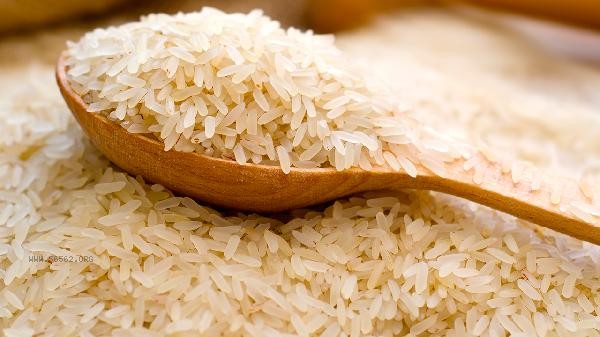
Rice has a high content of amylose and a relatively slow digestion rate, making it suitable as a daily staple food. Unprocessed varieties such as brown rice retain more dietary fiber and B vitamins, with slightly lower calories than white rice but higher nutritional density. For people who need to control their blood sugar or weight, choosing rice varieties with low glycemic index is more beneficial for health management. Both types of grains should be consumed in moderation, paired with vegetables and high-quality protein to balance postprandial blood sugar responses.
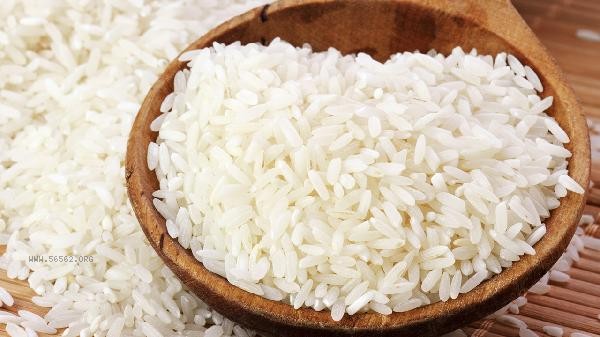
It is recommended to select grains according to individual physique and health goals. diabetes patients can give priority to mixed glutinous rice with miscellaneous grains to reduce sugar load. Pay attention to the combination of coarse and fine grains in daily diet, avoid long-term single consumption of high viscosity grains, and reduce the addition of oil and sugar during cooking to control total calorie intake.








Comments (0)
Leave a Comment
No comments yet
Be the first to share your thoughts!