
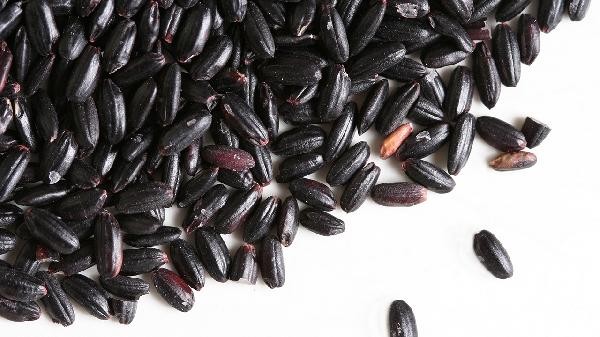
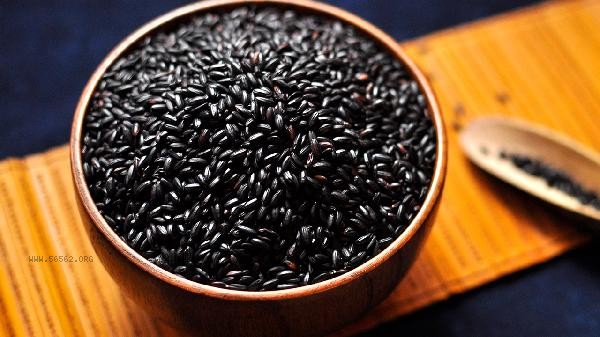
Black rice and black glutinous rice have their own health values, and the specific choice depends on individual nutritional needs. Black rice is rich in anthocyanins and dietary fiber, making it suitable for people with sugar control; Black glutinous rice has a high content of branched starch, which can quickly supply energy but increase sugar content quickly. The outer seed coat of black rice contains abundant anthocyanins, a natural antioxidant that helps to eliminate free radicals in the body and delay cell aging. Its dietary fiber content is significantly higher than that of ordinary rice, which can promote intestinal peristalsis and enhance the sense of satiety, and is more friendly to diabetes patients and weight loss people. The B vitamins and minerals such as iron and zinc in black rice are also prominent trace elements, and long-term consumption can help improve anemia symptoms. It should be noted that black rice has a harder texture, so it is recommended to soak it for two hours before cooking. Black glutinous rice has a high content of 98% amylopectin, which makes it sticky after cooking and can quickly replenish energy. It is suitable for people who have high physical exertion or need immediate energy supply. Its protein and lysine content is slightly higher than that of black rice, but its glycemic index is higher. People with unstable blood sugar need to control their intake. Traditional Chinese medicine believes that black glutinous rice has the effect of warming and nourishing the spleen and stomach, and is suitable for people with weak and cold constitution to consume in winter. Due to its high stickiness, people with indigestion should avoid excessive consumption and can pair it with miscellaneous grains to reduce digestive burden.
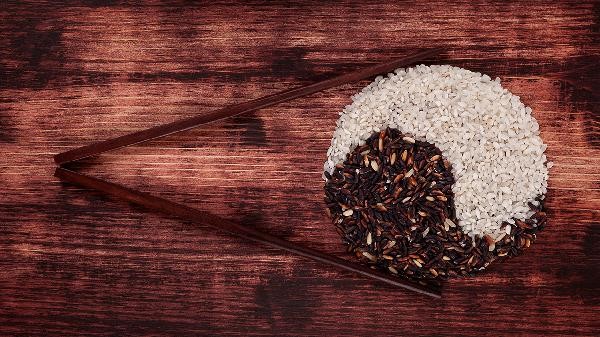
It is recommended to consume black rice according to one's own health condition. For those with high blood sugar, black rice can be chosen more. After exercise or when quick recovery is needed, black glutinous rice should be chosen in moderation. Both are whole grains that retain the nutrients of germ and bran, and can replace some of the intake of refined white rice in daily life. When cooking, it is recommended to use steaming to preserve nutrients and avoid adding too much sugar. Special populations can consult a nutritionist to develop personalized plans before consumption.








Comments (0)
Leave a Comment
No comments yet
Be the first to share your thoughts!