
Both low-fat pure milk and pure milk have their own advantages, and the choice should be based on individual health conditions and nutritional needs. Low fat pure milk is suitable for people who need to control their fat intake, while pure milk is more suitable for those who need to supplement energy and fat soluble vitamins.
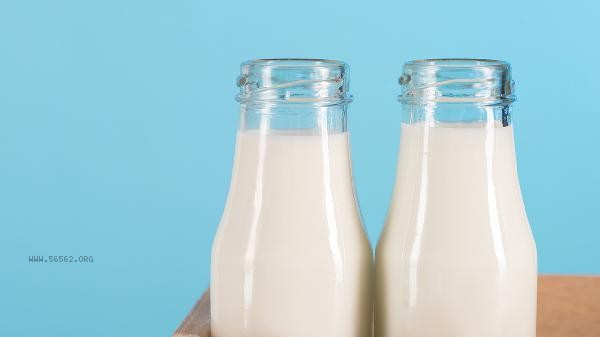
Low fat pure milk reduces fat content through defatting process, with relatively low calories, suitable for daily consumption by patients with hyperlipidemia, obesity or cardiovascular disease. It retains the high-quality protein and calcium in milk, but slightly reduces the content of fat soluble vitamins. Pure milk retains natural fat components, with a richer taste that can provide more energy for children, pregnant women, and people with high physical exertion, while also helping to absorb and utilize fat soluble vitamins. There is not much difference in protein and calcium content between the two, both of which contribute to bone health. From the perspective of applicable scenarios, low-fat pure milk is more suitable as a dairy product choice during weight loss, or as a balanced dietary structure when paired with a high-fat diet. Pure milk is more suitable for growth and development, lactation, and other stages that require high energy support, and can also be used to make foods that require a strong milk aroma. It should be noted that lactose intolerant individuals should choose lactose free formulas, while those who are allergic to milk protein should avoid drinking them.

It is recommended to drink two types of milk alternately according to one's own situation, and the daily intake of dairy products for adults should be controlled at 300-500 milliliters. Pairing with whole grains, nuts, and other foods can improve nutrient utilization and avoid drinking on an empty stomach to reduce gastrointestinal discomfort. When storing, it is necessary to refrigerate and pay attention to the shelf life. After opening, it should be consumed as soon as possible to ensure food safety.








Comments (0)
Leave a Comment
No comments yet
Be the first to share your thoughts!