
The quality of premium soy sauce in soy sauce grades is usually the best, with the highest content of amino acid nitrogen and more prominent freshness and nutritional value. Soy sauce grades are mainly divided into special grade, first grade, second grade, and third grade, based on amino acid nitrogen content, brewing process, and sensory indicators.
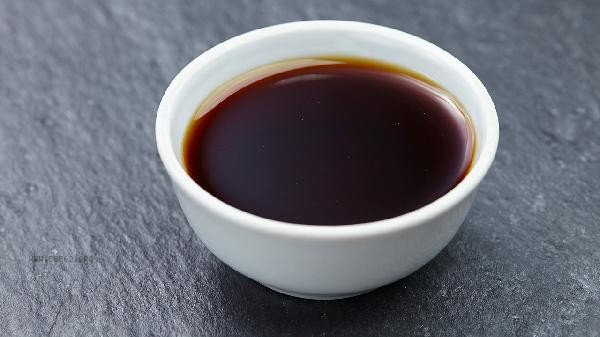
1. Premium Soy Sauce
Premium soy sauce has an amino acid nitrogen content of over 0.8 grams per 100 milliliters, and is fermented for a long time using traditional brewing techniques. It has a bright reddish brown color, a rich sauce aroma, and a mellow taste. Suitable for cold dishes, dipping, or enhancing the original flavor of dishes, it can significantly increase the freshness level of food. Some premium soy sauce will be labeled as "Toudao Yuanjiang" or "Ancient Brewing Method", with better raw material ratios and richer beneficial ingredients produced during the fermentation process.
Second grade soy sauce
The amino acid nitrogen content of first grade soy sauce is between 0.7 and 0.8 grams per 100 milliliters, the fermentation period is slightly shorter than that of first grade soy sauce, and the taste is fresh and sweet, suitable for daily cooking and stewing. This type of soy sauce has a relatively balanced cost and flavor, making it a cost-effective choice for home kitchens. Some products may contain a small amount of flavoring agents, but they are still within the scope of food safety standards.
Third and Second Grade Soy Sauce
The amino acid nitrogen content of second grade soy sauce is 0.55 to 0.7 grams per 100 milliliters, and it is often brewed using a rapid brewing process. The color is darker and the salty taste is more pronounced. Suitable for heavy flavored dishes or pickled ingredients, it has a lower price but less umami substance content. It should be noted that some secondary soy sauce may contain additives such as caramel color, and long-term consumption in large quantities may increase the burden of sodium intake.
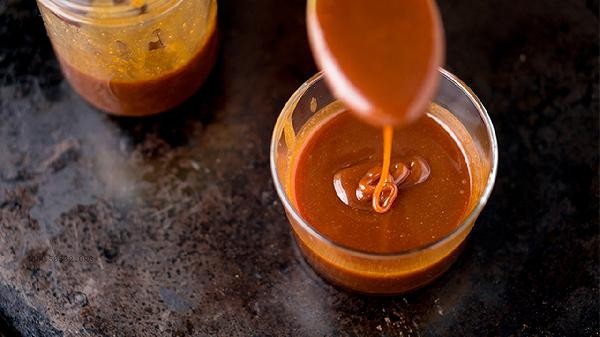
Fourth and Third Grade Soy Sauce
The amino acid nitrogen content of third grade soy sauce only reaches the minimum standard of 0.4 grams per 100 milliliters. It is usually prepared by blending soy sauce with hydrolyzed plant protein and other ingredients. The taste is salty and lacks sauce aroma, often used in food processing or as a seasoning base. It is not recommended to use it directly for home cooking due to its low nutritional value and flavor quality.
V. Selection Suggestions
When choosing soy sauce, in addition to the grade, it is also necessary to check whether the ingredient list contains preservatives and artificial colors, and prioritize products with long brewing cycles. Hypertensive patients should pay attention to sodium content, and children can choose salt reducing soy sauce. Organic certified or non genetically modified soy sauce has higher safety, but is relatively expensive. Different grades of soy sauce can be used in combination, such as premium soy sauce for freshness and secondary soy sauce for coloring.
Soy sauce, as a daily seasoning, is recommended to be selected reasonably according to cooking needs and health conditions. Although premium soy sauce has the best quality, first grade soy sauce can already meet the needs of most households. When storing, it should be sealed away from light, and refrigeration after opening can extend the shelf life. Reasonably controlling the amount of soy sauce can help reduce sodium intake, and combining it with natural spices such as scallions, ginger, and garlic can reduce dependence on soy sauce and maintain a light and healthy diet.








Comments (0)
Leave a Comment
No comments yet
Be the first to share your thoughts!