
The fruits with the strongest satiety are mainly avocado, banana, apple, orange, and dragon fruit.
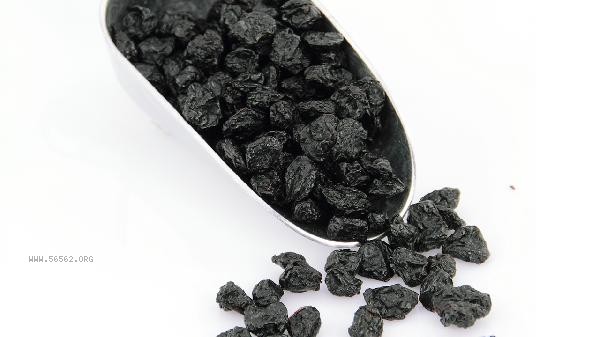
1. Avocado
Avocado is rich in monounsaturated fatty acids and dietary fiber, with a high fat content and slow digestion speed, which can prolong gastric emptying time. Its dietary fiber can absorb water and expand, increase the volume of gastric contents, and stimulate the transmission of satiety signals. The oil content of avocado can also promote the secretion of cholecystokinin, further suppressing appetite.
2. Banana
Banana contains resistant starch and pectin dietary fiber, which will form gel like substances in the intestinal tract, delaying glucose absorption. Bananas with moderate maturity have higher resistant starch content and more significant satiety effect. The serotonin precursor substance in bananas may enhance satiety through neural regulation.
3. Apples
The peel of apples contains a large amount of insoluble dietary fiber, while the pectin in the flesh belongs to soluble fiber. The synergistic effect of the two can increase chewing time and gastrointestinal volume. The high moisture content and low energy density characteristics of apples make them a choice for large volume but low calorie intake, which helps to control total calorie intake.
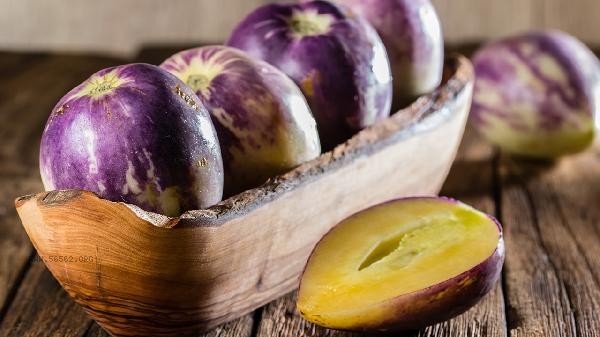
4. Oranges
The dietary fiber of oranges mainly exists in the orange sheath and capsule, and the fiber intake is higher when consumed intact. Its rich vitamin C is involved in leptin synthesis, which may indirectly affect satiety regulation. The sour taste of oranges can stimulate the taste buds and produce a brief sense of satiety through neural reflexes.
5. Dragon fruit
Dragon fruit seeds contain lignin and cellulose, which are almost not broken down in the digestive tract and can mechanically stimulate intestinal peristalsis. The anthocyanin components of red pitaya may affect appetite by regulating the secretion of gastrointestinal hormones. The high water content of dragon fruit can quickly fill the stomach space and produce a physical satiety effect.

When choosing high satiety fruits, it is recommended to consume them with skin or seeds to obtain more dietary fiber, and pay attention to pairing them with protein foods to prolong satiety time. Individuals with abnormal blood sugar levels should control their intake of high sugar fruits such as bananas, while those with weaker gastrointestinal function should avoid consuming large amounts of high fiber fruits on an empty stomach. These fruits can be used as snacks between meals instead of refined pastries in daily life, and combined with sufficient drinking water can better achieve satiety. However, it should be noted that fruits cannot completely replace meals, and long-term consumption alone may lead to nutritional imbalance.








Comments (0)
Leave a Comment
No comments yet
Be the first to share your thoughts!