
The quality of guava is closely related to the climatic conditions of its production area. Guava produced in tropical and subtropical regions such as Taiwan, Hainan, and Guangdong in China has a better taste. The high-quality guava production areas mainly include Pingtung in Taiwan, Sanya in Hainan, Zhanjiang in Guangdong, Zhangzhou in Fujian, and Nanning in Guangxi.
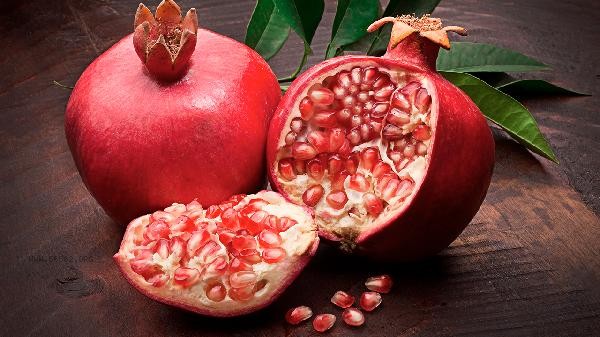
1. Pingtung, Taiwan
Pingtung, Taiwan is located south of the Tropic of Cancer, with warm and humid weather throughout the year and abundant sunshine, making it particularly suitable for the growth of guava. The locally grown pearl pomegranate has delicate and juicy flesh, high sweetness, and a unique aroma. Pingtung guava is grown organically, with a smooth surface and full fruit shape, making it the preferred choice for the high-end market.
2. Sanya, Hainan
Sanya belongs to a typical tropical monsoon climate with a high annual average temperature, which is conducive to the accumulation of sugar in guava. The locally produced guava is larger in size, with pink flesh and prominent vitamin C content. Sanya guava has an early maturity period and can be launched on the market from March to May every year, which can seize the market opportunity.
3. Zhanjiang, Guangdong
The volcanic soil on the Leizhou Peninsula in Zhanjiang is rich in minerals, and the guava grown here has a unique flavor. The locally cultivated red heart pomegranate variety has tempting rose red flesh and abundant anthocyanin content. Zhanjiang guava has thin skin and thick flesh, so special attention should be paid to preservation during transportation.
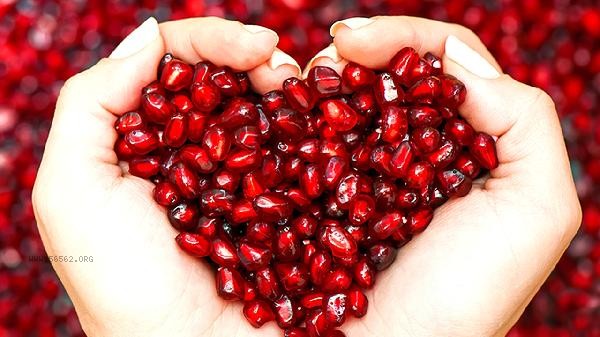
4. Zhangzhou, Fujian
Zhangzhou is located in the southern Fujian Golden Triangle, with relatively stable winter temperatures, making guava less susceptible to freezing damage. The locally cultivated crystal pomegranate variety has crystal clear flesh and a crisp and refreshing taste. The picking period for Zhangzhou guava can last from June to November, with a longer supply cycle.
5. Nanning, Guangxi
The terrain of the Nanning Basin creates a unique microclimate environment, which is very suitable for the cultivation of guava. The locally produced guava has a moderate sour sweet ratio, maintaining the sweetness of tropical fruits while also having a refreshing sour taste. Nanning guava has a thick skin and strong storage and transportation resistance, making it suitable for long-distance transportation. When choosing guava, priority should be given to products from the core production areas mentioned above. Guava from different production areas have their own unique taste, nutritional value, and market time. It is recommended to choose fresh guava of the current season for daily consumption, with intact skin and no damage. Guava is rich in dietary fiber and vitamin C, but its sugar content is high. diabetes patients need to control their intake. When storing, it can be placed in a cool and ventilated place to avoid direct sunlight that can cause moisture loss. Soak and clean with diluted salt water before consumption for better hygiene, and consume as soon as possible after cutting to ensure the best flavor.








Comments (0)
Leave a Comment
No comments yet
Be the first to share your thoughts!