
Watermelon seeds grow from the flesh of watermelons and usually adhere to the white or light yellow seed coat inside the flesh. Watermelon belongs to the Cucurbitaceae family, and its seeds are formed by the development of ovules in the ovary during fruit development. After maturity, they are distributed in various parts of the melon flesh. Watermelon seeds naturally form during the growth process of watermelons. When watermelon flowers and pollinates successfully, the ovary begins to swell and form fruit, and the internal ovules gradually develop into mature seeds. There are differences in the distribution density and size of watermelon seeds among different varieties, and some seedless watermelons are varieties that inhibit seed development through hybridization techniques. The seeds are arranged irregularly in the melon flesh, usually concentrated around the placenta in the center of the flesh, and some may also be scattered in other parts of the flesh. Wild watermelons usually have more and harder seeds, while modern cultivated varieties have undergone long-term artificial breeding, and some varieties have become less or easier to chew. The seeds are mostly black, brown, or white in color, with a smooth or textured surface, and are wrapped in a hard seed coat to protect the inner embryo. During the maturation process of watermelon, seeds gradually accumulate nutrients such as fat and protein, ultimately forming a complete structure that can reproduce offspring.
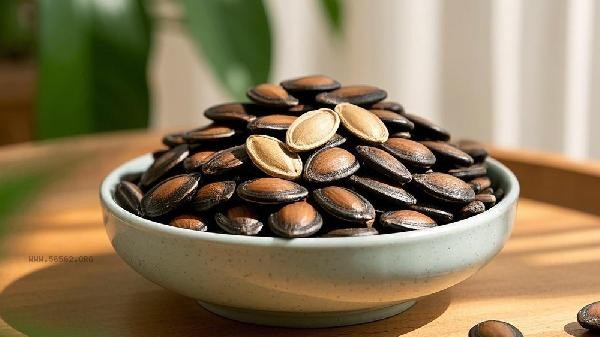
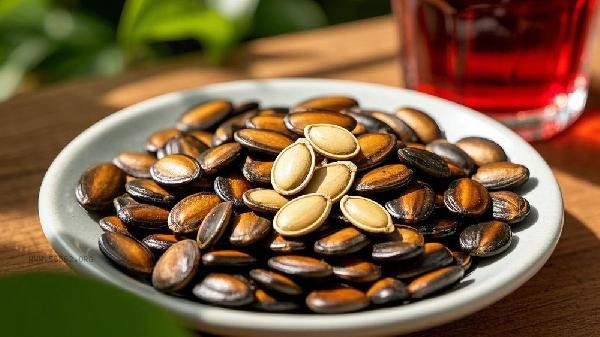
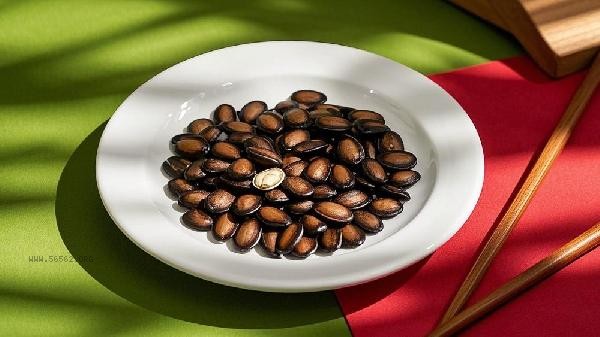
When eating watermelon, there is usually no need to worry about accidentally swallowing a small amount of watermelon seeds, as their shells are difficult to digest and absorb by the human body and will be excreted with feces. However, young children or those with weak digestive function should pay attention to avoiding swallowing large amounts of whole watermelon seeds, which may increase the burden on the intestines. Watermelon seeds are rich in minerals such as zinc and iron, as well as healthy fatty acids. After being air dried and stir fried, they can be used as snacks, but the intake should be controlled to avoid excess calories.








Comments (0)
Leave a Comment
No comments yet
Be the first to share your thoughts!