
Oolong tea is suitable for drinking 1 hour after breakfast, 1 hour after lunch, 3-5 pm, 30 minutes after exercise, and 1 hour before dinner. The drinking time should be adjusted according to personal constitution, fasting state, and caffeine tolerance. Oolong tea contains tea polyphenols and caffeine. Drinking it one hour after breakfast can help with digestion and refresh the mind, but it may irritate the gastrointestinal mucosa on an empty stomach. Drinking it one hour after lunch can promote fat metabolism, especially when paired with a high protein diet. However, anemic individuals should avoid consuming iron rich foods together. From 3-5 pm in the afternoon, the body's metabolism is vigorous. Drinking at this time can relieve fatigue, but people with neurasthenia need to control the concentration. Moderate consumption after exercise can accelerate water replenishment and lactate metabolism, but it is recommended to prioritize electrolyte supplementation when exercising excessively. Drinking one hour before dinner can enhance satiety, but those with excessive stomach acid should reduce their consumption.
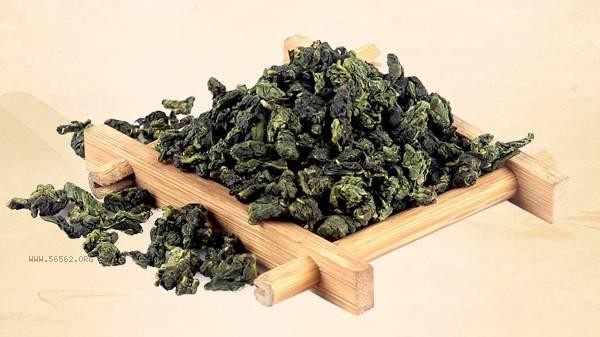
In special circumstances, the drinking method needs to be adjusted. During the medication period, there should be an interval of at least 2 hours between drinking tea to avoid affecting the efficacy of the medication. Pregnant women should not exceed 300 milliliters of light tea per day, and during lactation, it should be reduced to 200 milliliters. It is not advisable to drink during gout attacks as tannic acid may worsen symptoms. People with sleep disorders are advised to bring forward their final tea drinking time to before 3 pm in the afternoon. Refrigerated overnight tea is prone to bacterial growth and should not be consumed further.
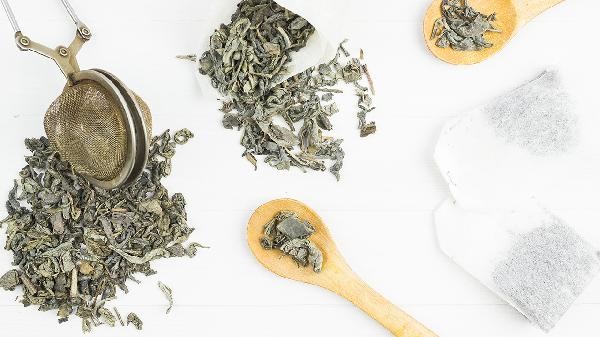
When drinking oolong tea, it is recommended to choose a water temperature of 80-90 ℃ for brewing, and each tea should not be steeped for more than 3 minutes to avoid excessive precipitation of tannic acid. The daily total amount should be controlled at 400-600 milliliters, which can be paired with tangerine peel or osmanthus to adjust the taste. Long term drinkers should regularly check their ferritin levels, and vegetarians should pay attention to supplementing vitamin C to promote iron absorption. Avoid consuming high calcium foods that can affect mineral absorption. After meals, residual tea stains in the mouth can be cleaned by rinsing with lemon water.








Comments (0)
Leave a Comment
No comments yet
Be the first to share your thoughts!