
Eating undercooked noodles may cause indigestion or bacterial infections. Uncooked noodles contain a high amount of resistant starch, which may irritate the gastrointestinal mucosa, and some people may experience symptoms such as bloating and diarrhea. The resistant starch in noodles is difficult to digest and absorb by the human body when not fully gelatinized, and may become a fermentation substrate for the gut microbiota after entering the intestine, producing excessive gas and causing bloating. Wheat flour may carry a small amount of bacteria during processing, and high-temperature cooking can effectively kill them. However, when the boiling point temperature is not reached, pathogenic bacteria such as Salmonella may survive and cause acute gastroenteritis, manifested as abdominal pain, vomiting, or low-grade fever. For children or elderly people with weak digestive function, undercooked noodles may increase gastrointestinal burden and cause persistent abdominal discomfort. If the noodle raw materials are stored improperly and have become moldy, insufficient heating cannot destroy harmful substances such as aflatoxins, and long-term intake may damage liver function. Industrialized noodles may contain small amounts of food additives, and high-temperature cooking can reduce their chemical activity. However, the alkaline substances in the noodles in their half cooked state may neutralize stomach acid, affecting digestion efficiency. Some people are sensitive to gluten in flour, and insufficiently heated gluten protein is more likely to cause allergic reactions, leading to skin itching or respiratory symptoms.
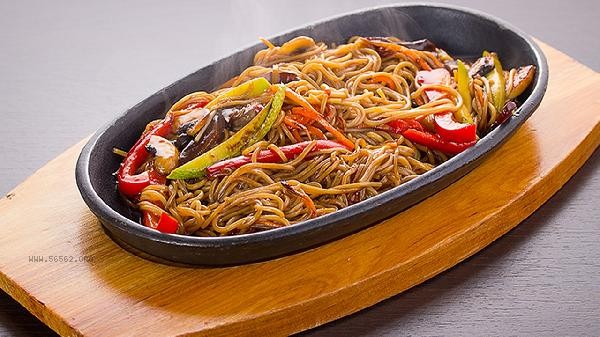
It is recommended to ensure that the noodles are completely cooked until there are no hard cores before consumption. For those with weak digestive function, they can choose soft and easy to cook dragon beard noodles or children's specific noodles. Combining moderate amounts of vegetables and high-quality protein foods can improve nutrient absorption. If you experience persistent abdominal pain or fever symptoms, seek medical attention promptly. Daily storage of flour products requires attention to moisture and light protection. After opening, consume as soon as possible to avoid microbial contamination.








Comments (0)
Leave a Comment
No comments yet
Be the first to share your thoughts!