
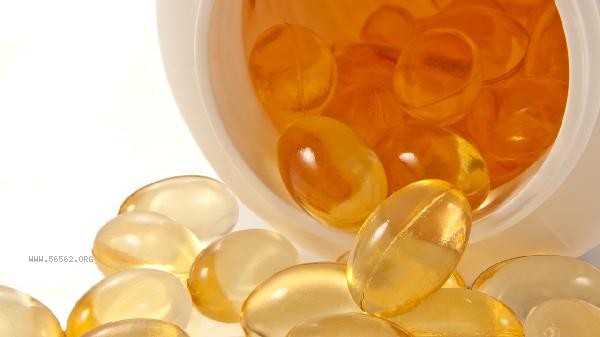
During weight loss, it is advisable to supplement with moderate amounts of vitamin B, vitamin C, vitamin D, vitamin E, and vitamin K. These vitamins help promote metabolism, enhance energy expenditure, or regulate fat metabolism, but it is important to obtain them through a balanced diet and avoid excessive supplementation.
1. Vitamin B Family
The vitamin B family includes B1, B2, B6, B12, etc., and is involved in the metabolic processes of carbohydrates, fats, and proteins. Vitamin B1 helps convert carbohydrates into energy and reduces fat accumulation; Vitamin B2 promotes fat breakdown; Vitamin B6 participates in protein metabolism and helps maintain muscle mass. Whole grains, lean meat, eggs, and green leafy vegetables are natural sources that can be prioritized during weight loss.
2. Vitamin C
Vitamin C is an important component in the synthesis of carnitine, which can help fatty acids enter mitochondria and burn for energy. Citrus fruits, kiwis, broccoli and other foods rich in vitamin C can assist in fat oxidation, and their antioxidant effects can reduce inflammation after exercise. However, it is necessary to avoid consuming large amounts of acidic fruits on an empty stomach to avoid stimulating the gastrointestinal tract.
3. Vitamin D
Vitamin D affects fat metabolism by regulating calcium balance and hormone secretion, and deficiency may increase the risk of fat storage. Salmon, egg yolks, fortified dairy products and other foods can provide vitamin D, and moderate sun exposure can also promote skin synthesis. Obese individuals may have insufficient absorption of vitamin D and need to monitor their serum levels before supplementing appropriately.
4. Vitamin E
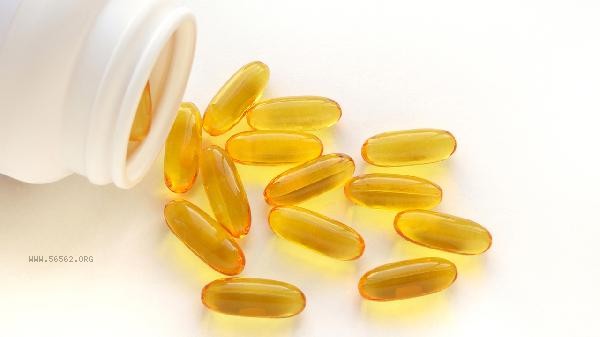
Vitamin E, as an antioxidant, can reduce the damage of free radicals to cells during exercise and maintain metabolic efficiency. Nuts, seeds, and vegetable oils are the main sources, but intake should be controlled to prevent excessive calorie intake. Supplementing with vitamin C can enhance antioxidant effects and is more suitable for high-intensity exercise to reduce fat.
5. Vitamin K
Vitamin K participates in osteocalcin synthesis, indirectly affecting energy allocation and body fat distribution. Deep green vegetables such as natto, spinach, and kale are rich in vitamin K1, while fermented foods contain vitamin K2. Adequate intake of vitamin K during weight loss can help prevent bone density loss caused by rapid weight loss. During weight loss, priority should be given to obtaining vitamins from natural foods such as dark vegetables, high-quality protein, and whole grains. Avoid long-term dependence on supplements, as excessive fat soluble vitamins may accumulate and cause poisoning. Combining aerobic and resistance exercise can enhance the metabolic efficiency of vitamins, while maintaining a daily water intake of at least 2000 milliliters to promote the elimination of metabolic waste. If there are special health conditions, the supplementary plan should be adjusted under the guidance of a nutritionist.








Comments (0)
Leave a Comment
No comments yet
Be the first to share your thoughts!