
During weight loss, it is recommended to eat vegetables such as broccoli, spinach, cucumber, tomato, celery, etc. in moderation. These vegetables are low in calories and rich in dietary fiber, which can help increase satiety and control calorie intake.
1. broccoli
broccoli contains only 34 calories per 100 grams, rich in dietary fiber and vitamin C. Its high fiber content can slow down gastric emptying and reduce hunger. Cooking advice: Blanch or steam with clean water to avoid adding high-fat seasonings. Individuals with thyroid dysfunction need to control their food intake.
2. Spinach
Spinach has 23 calories per 100 grams, is rich in iron and chlorophyll, and can promote hemoglobin synthesis. The thylakoid substances contained can help control appetite by regulating levels of hunger hormones. Gout patients should pay attention to blanching before consumption to reduce oxalic acid intake.
3. Cucumber
Cucumbers have a water content of over 96% and only 15 kcal/100g of calories. The presence of succinic acid can inhibit the conversion of sugars into fats. Eating with skin on can increase dietary fiber intake, but it is important to thoroughly clean pesticide residues. People with weak and cold constitution should not overeat raw food.
4. Tomatoes
Tomatoes have 18 calories per 100 grams, and lycopene has antioxidant properties. Acidic components can promote the activity of lipolytic enzymes. Eating raw can retain more vitamin C, and the bioavailability of lycopene increases after heating. People with excessive stomach acid should control their food intake.
5. Celery
Celery has a calorie content of 16 kcal/100g, and the crude fiber needs to be chewed thoroughly to stimulate the satiety center. The celery contains apigenin, which has a diuretic effect. Suggest cutting into sections and stir frying or stir frying to preserve the crispy and tender taste. People with low blood pressure should avoid excessive intake.
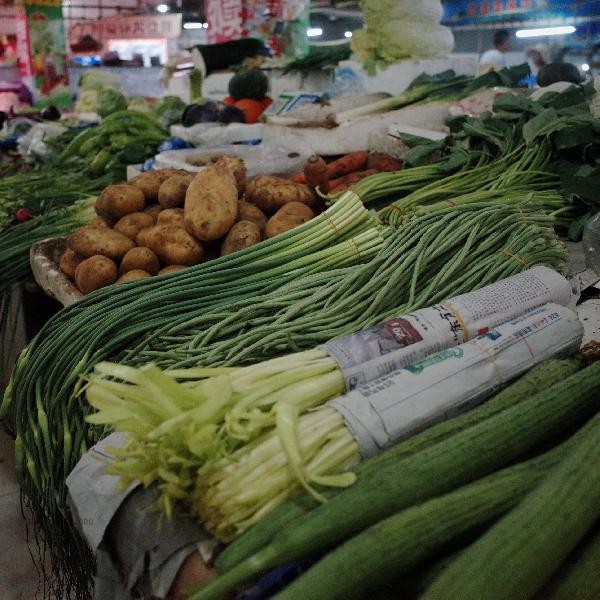
It is recommended to distribute these vegetables in three meals and consume them together, with a daily total of around 500 grams. Low fat cooking methods such as quick stir frying, cold mixing, or steaming should be used. At the same time, maintaining sufficient water intake combined with moderate exercise yields better results. Individuals with chronic diseases should adjust their specific intake types and quantities according to the advice of nutritionists.








Comments (0)
Leave a Comment
No comments yet
Be the first to share your thoughts!