
Vegetables with almost no nutrients mainly include cucumber, winter melon, lettuce, asparagus, and zucchini. These vegetables have high moisture content, but relatively low levels of nutrients such as vitamins, minerals, and dietary fiber.
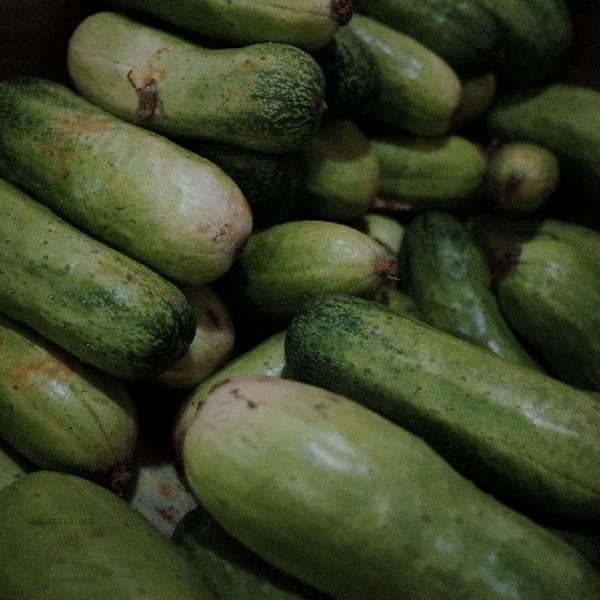
1. Cucumber
Cucumber has a water content of over 95%, mainly providing a small amount of vitamin K and potassium, with extremely low content of other nutrients. When eaten raw, it has a crisp taste and is suitable for summer hydration, but it should not be used as the main source of nutrition. Cold mixing or pickling will further reduce its already low nutritional value.
2. Winter melon
Winter melon contains only 12 calories per 100 grams, with a moisture content of over 96%. Except for trace amounts of vitamin C and potassium, it contains almost no protein, fat, or other vitamins and minerals. After stewing, the volume shrinks significantly, and the actual intake of nutrients is less.
3. Lettuce
More than 90% of lettuce leaves are water, and the content of vitamin A and folate is only about one tenth of that of dark green vegetables. The nutrition of the outer green leaves is slightly higher than that of the inner white leaves, but overall it still belongs to low nutrient density vegetables. Long term consumption of lettuce salad as a staple food can easily lead to nutritional deficiencies.
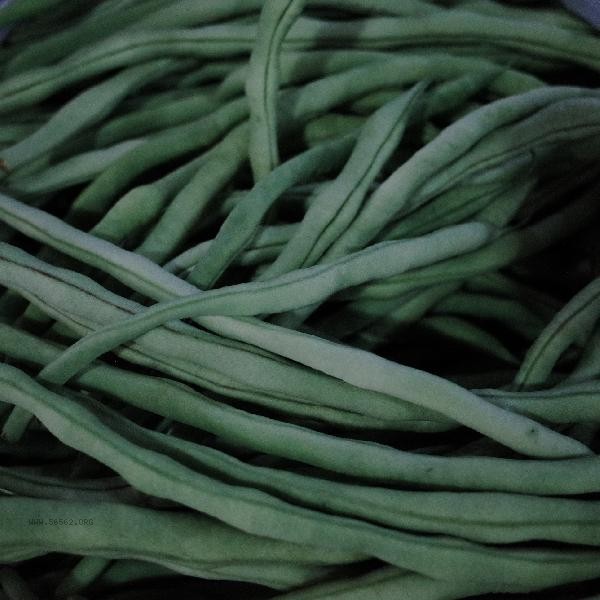
4. Lettuce
The moisture content of the lettuce stem reaches 94%, and except for a small amount of potassium and vitamin K, the content of other nutrients can be ignored. The leaves have slightly higher nutritional content, but are usually discarded. The pickling or frying process can further deplete its already limited nutrients.
5. Zucchini
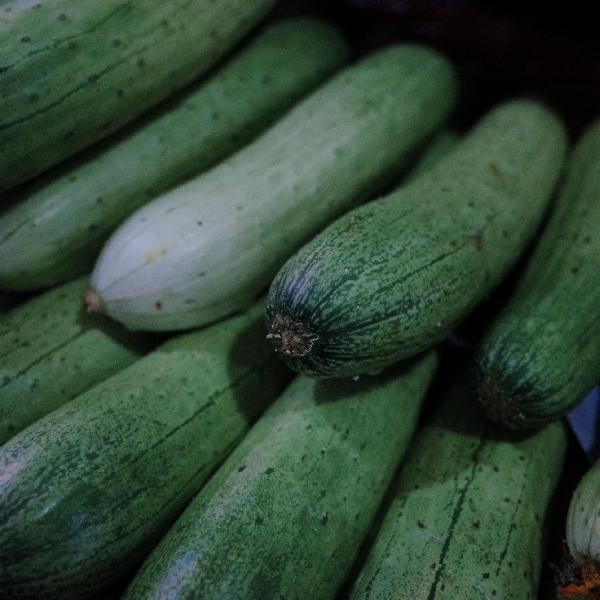
Zucchini has a water content of 93% and only contains 17 calories per 100 grams. The content of vitamin A and vitamin C is less than 5% of the daily requirement, and the mineral content is significantly lower than other melon vegetables. Overcooking can result in the loss of the remaining small amount of water-soluble vitamins. Although these low nutrient vegetables are not suitable as the main source of nutrition, moderate consumption can help replenish water and increase satiety. It is recommended to pair it with high nutrient density dark vegetables such as spinach and broccoli for consumption. When cooking, try to use quick stir frying or raw methods to reduce nutrient loss. Special populations such as pregnant women, children, or malnourished individuals should control the intake ratio of these vegetables and prioritize choosing more nutritious vegetable varieties.








Comments (0)
Leave a Comment
No comments yet
Be the first to share your thoughts!