
Xinjiang Ruoqiang jujube, Shanxi Jun jujube, Shandong Jinsi Xiao jujube, Hebei winter jujube, and Shaanxi Goutou jujube are common jujube varieties with good taste.
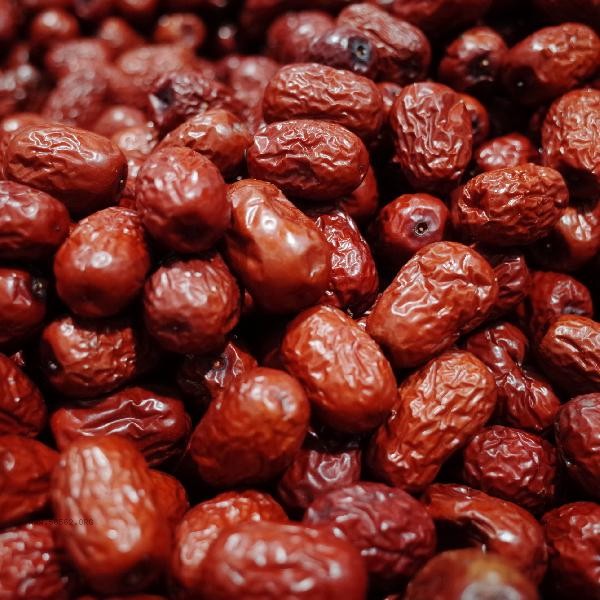
1. Ruoqiang Jujube
Ruoqiang Jujube in Xinjiang has a thin skin and thick flesh, delicate flesh without residue, high sugar content, and a natural honey fragrance. Growing in desert oases with large temperature differences between day and night, sufficient sunlight allows the fruit to accumulate rich vitamin C and iron elements, making it suitable for direct consumption or making jujube paste. People with weak gastrointestinal function need to control their single consumption.
2. Junzao
Shanxi Junzao has a large cylindrical fruit, soft and elastic flesh, and a balanced sour sweet ratio. Rich in active ingredients such as cyclic adenosine monophosphate, the air drying process preserves more dietary fiber. It is suitable for stewing or making drunk dates. diabetes patients should reduce the frequency of consumption.
III. Golden Silk Jujube
Shandong Golden Silk Jujube is small in size but has a small nucleus and a lot of flesh. After maturity, the skin shows golden like cracks. High levels of calcium and rutin are beneficial for blood vessels, and traditional smoking can produce a special smoky flavor. It is recommended to choose sulfur free fumigation products to avoid throat irritation.
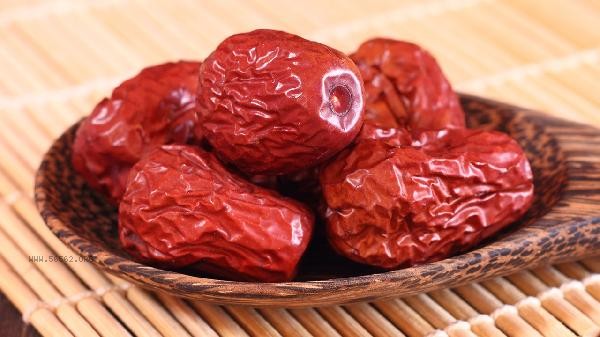
4. Winter Dates
Hebei winter dates are known for their crisp, sweet, and juicy texture, with translucent flesh and vitamin C content dozens of times higher than apples. The shelf life after harvesting is relatively short, and low-temperature storage can maintain the taste. Due to its cool nature and weak constitution, it is recommended to pair it with ginger tea for consumption.
Fifth, Goutou Jujube
Shaanxi Goutou Jujube is named after its appearance, with a tight and durable meat that can be cooked for a long time without scattering. Jujube vinegar produced by traditional techniques has a digestive aid effect, as it contains high levels of zinc and selenium elements. The skin is thick and needs to be thoroughly cleaned, making it suitable for making tea snacks such as dates and walnuts.
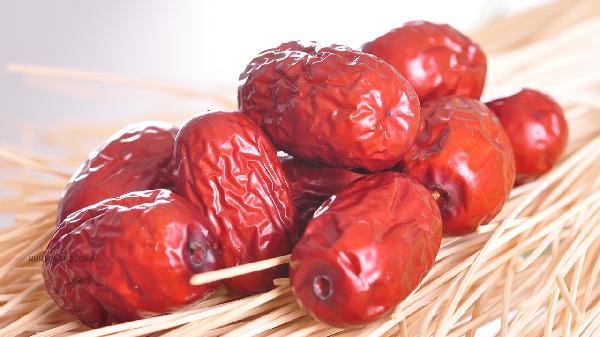
It is recommended to choose jujube varieties based on personal physical condition and consumption scenarios. The daily intake of fresh jujube should be controlled at 10-15, while the intake of dried jujube should be halved. The surface of high-quality jujube fruits should have a natural luster without insect eyes, and the separation between the flesh and the core should be clear. When storing, it is necessary to keep it dry and ventilated, and it can be stored together with orange peel to prevent moisture. Special populations such as pregnant women or chronic disease patients can consult a nutritionist for advice before consumption. Alternating consumption of different varieties can obtain more comprehensive nutritional components, and traditional jujube products such as jujube cake and jujube tea are also good dietary choices.








Comments (0)
Leave a Comment
No comments yet
Be the first to share your thoughts!