
Different varieties of jujube have significant differences in taste. Xinjiang Ruoqiang jujube has a tight and sweet flesh, Shanxi Junzao jujube has a thick and sour flesh that is suitable for sweetness, Shandong Winter jujube is crispy, tender, and juicy, Hebei Jinsi jujube is delicate and slag free, and Shaanxi Goutou jujube has a strong flavor.
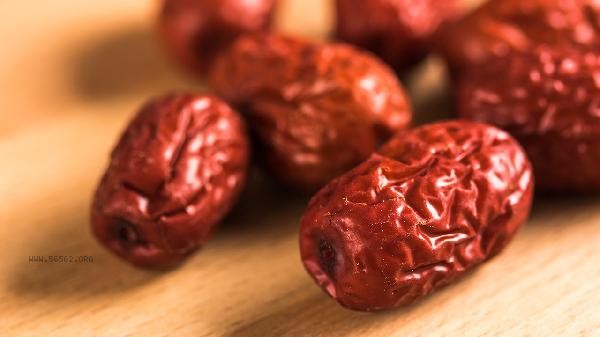
1. Ruoqiang Jujube
Ruoqiang Jujube in Xinjiang is known for its high sweetness, with a sugar content higher than ordinary red dates. After maturity, it presents a deep red color and has a thin and glossy skin. Due to the large temperature difference between day and night and sufficient sunshine, the jujube meat is compact and chewy, and its sweetness is more concentrated after drying, which is suitable for direct eating or cooking Congee. The content of iron element and cyclic adenosine phosphate is high, which is helpful to improve the complexion, but diabetes patients need to control their intake.
2. Junzao
Shanxi Junzao is relatively large and oval shaped, with thick and juicy flesh when fresh, and still maintains a soft texture after sun drying. The balanced sour sweet ratio makes it the preferred raw material for candied fruit processing, and its vitamin C content is particularly prominent in jujube varieties. During the mature stage, the fruit peel will present red and yellow stripes, and a noticeable fruity aftertaste can be felt when chewed. It is suitable for making desserts such as date paste.
3. Winter Jujube
Shandong winter jujube is famous for its fresh variety, with crispy and thin skin that is edible, and a strong burst of juice when bitten. After refrigeration, the taste is better, and the sugar acid ratio is balanced to bring a refreshing flavor. It is rich in vitamin C and potassium elements, which are higher in fresh jujube. The best consumption period is before and after frost, when the fruit plumpness reaches its peak, but it is not easy to store for a long time.
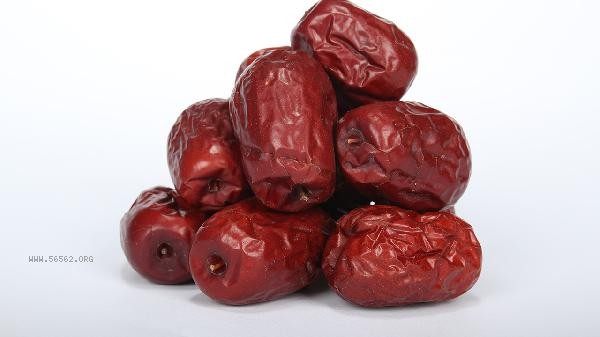
4. Jin Si Zao
The dried fruit of Hebei Jin Si Zao has a golden yellow color and very little fiber that melts in the mouth, making it particularly suitable for the elderly and children to consume. During the processing, sugar crystals form filamentous textures, and the retention rate of calcium and iron elements is high, often used as nourishing ingredients. Fresh fruits are difficult to transport and often circulate in the form of dried jujubes, which can maintain their delicate texture even after soaking.
5. Goutou Jujube
Shaanxi Goutou Jujube is named after its appearance. After maturity, it emits a unique caramel aroma, and the flesh has a slight fermented aroma of wine. Rich in polysaccharides, dried jujubes have a sticky texture when chewed, making them suitable for pairing with nuts as a snack. Varieties smoked using traditional techniques have a richer flavor, but it is important to note that the smoking process may produce trace amounts of harmful substances.
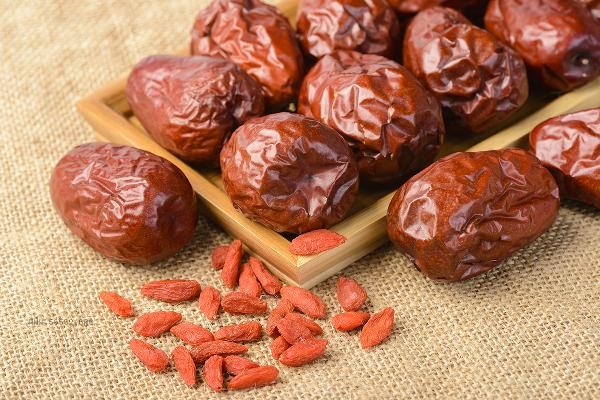
When choosing jujube varieties, it is recommended to decide according to the way of consumption. For fresh consumption, winter jujube or Jun jujube should be given priority. For soup, Ruoqiang jujube can be used to enhance sweetness, and for making pastries, golden jujube can be used to increase delicacy. It is advisable to control the daily intake within 50 grams and avoid consuming high protein foods that may affect digestion. The two ends of jujube pits are sharp, and children should remove the pits to prevent choking. People with abnormal blood sugar should choose low sugar varieties and reduce the frequency of intake. Different varieties can be consumed alternately to obtain a more comprehensive nutritional supplement.








Comments (0)
Leave a Comment
No comments yet
Be the first to share your thoughts!