
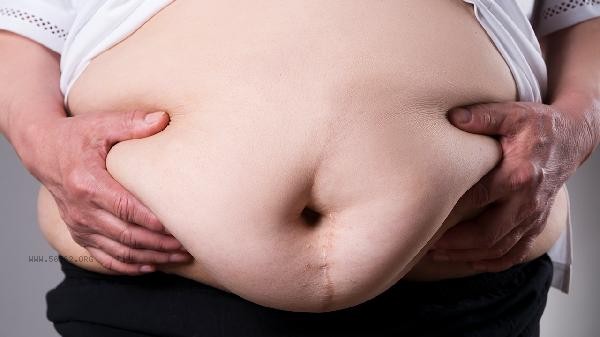
During the weight loss period, breakfast can include moderate consumption of oatmeal, eggs, broccoli, milk, whole wheat bread, and other foods. These foods are rich in high-quality protein and dietary fiber, which can help improve satiety and control calorie intake. If medication intervention is needed for metabolic problems, medication such as Orlistat capsules, Metformin hydrochloride tablets, Liraglutide injection, Acarbose tablets, and levothyroxine sodium tablets can be used according to medical advice.

1. Food
1. Oatmeal
Oatmeal contains abundant water-soluble dietary fiber, which can slow down gastric emptying and reduce subsequent food intake. Its low glycemic index characteristic helps stabilize postprandial blood glucose and is suitable for obese individuals with insulin resistance. It is recommended to choose plain oats without added sugar and pair them with a small amount of nuts to increase healthy fat intake.
2. Eggs
Eggs, as a high-quality source of protein, have a bioavailability rate of over 90%. The lecithin in egg yolk can promote lipid metabolism, with each egg containing only 70 calories. Boiling or steaming can avoid additional oil intake, while consuming vegetables can increase dietary fiber intake.
3. broccoli
broccoli is rich in vitamin C and glucosinolates, the latter of which can be converted into sulforaphane in the body to activate lipoxygenase. 100 grams of broccoli contains only 34 calories. Blanching or stir frying can maximize the retention of nutrients. It is recommended to consume 150-200 grams per day.
4. Milk
Skimmed milk contains only 35 calories per 100 milliliters, and its whey protein can stimulate the secretion of cholecystokinin to produce a feeling of fullness. Lactose intolerant individuals can choose lactose free milk, which can be consumed in combination with grains to slow down the digestion and absorption of carbohydrates.
5. Whole wheat bread
Whole wheat bread has more than three times the dietary fiber content of white bread, and its B vitamins participate in the tricarboxylic acid cycle to promote energy metabolism. Select products with whole wheat flour as the top ingredient on the ingredient list, and control the single consumption amount to 1-2 tablets to avoid excessive carbohydrates.
2. Drug
1. Orlistat capsules
are suitable for obese patients, reducing dietary fat absorption by 30% by inhibiting gastrointestinal lipase. May cause adverse reactions such as fat diarrhea, and should be used in conjunction with a low-fat diet. Prohibited for patients with chronic malabsorption syndrome.
2. Metformin hydrochloride tablets
can be used to control blood sugar in obese patients with type 2 diabetes, improve insulin sensitivity and slightly reduce weight. Common gastrointestinal reactions usually resolve within 2 weeks, and are contraindicated for those with severe liver and kidney dysfunction.
3. Liraglutide injection
GLP-1 receptor agonist can delay gastric emptying and act on the hypothalamic satiety center, causing an average weight loss of 5-10%. Daily subcutaneous injection is required, and adverse reactions such as nausea and vomiting may occur.
4. Acarbose tablets
alpha glucosidase inhibitors help control postprandial blood glucose by delaying carbohydrate breakdown, and have a significant effect on abdominal obesity. Chew and take with the first bite of staple food, common digestive reactions such as bloating and diarrhea.
5. Levothyroxine Sodium Tablets
are only suitable for metabolic rate reducing obesity caused by hypothyroidism, and strict monitoring of thyroid function is required to adjust the dosage. Self abuse may lead to serious side effects such as arrhythmia.

During weight loss, breakfast should ensure 300-400 calories, and the recommended protein intake is 20-30 grams. Avoid high sugar and high-fat processed foods and control the intake of staple foods at 50-100 grams. Combining aerobic exercise for at least 30 minutes per day yields better results. All medications must be used after evaluation by a doctor and cannot be purchased or taken by oneself. Regularly monitor indicators such as weight and body fat percentage, and seek medical attention promptly if discomfort such as dizziness and fatigue occurs.








Comments (0)
Leave a Comment
No comments yet
Be the first to share your thoughts!