
It is not recommended to deliberately lose weight during menstruation, but it is advisable to eat low calorie and high nutrient foods such as broccoli, oats, chicken breast, apples, salmon, etc. in moderation to avoid excessive dieting or vigorous exercise that can cause endocrine disorders.

1. Food
broccoli is rich in dietary fiber and vitamin C, with low calories, which can increase satiety and promote gastrointestinal peristalsis. Menstrual women can consume 100-150 grams of boiled or stir fried broccoli per day, but those with gastrointestinal allergies should avoid excessive consumption.
2. Food
Oats contain beta glucan and high-quality protein, and their slow-release carbohydrates can stabilize blood sugar. It is recommended to choose instant oatmeal without additives, brewed with hot water or warm milk, and consume 30-50 grams per time. For those with bloating, reduce the amount.
III. Food
Chicken breast is a high-quality choice with low fat and high protein, containing approximately 23 grams of protein per 100 grams. Cooking can be done by boiling or baking, and the daily intake during menstruation should not exceed 150 grams. Patients with abnormal kidney function should consult a doctor.
4. Food
Pectin and phenolic substances in apples help regulate blood lipids, and medium-sized apples contain about 80 calories. It is recommended to eat the apples with the skin on and chew them slowly. For those with excessive stomach acid, they can steam the apples and consume them. 1-2 apples per day are recommended.
5. Food
Salmon is rich in Omega-3 fatty acids, which can alleviate menstrual inflammation. Choose fresh or frozen salmon, consume 2-3 times a week, about 100 grams each time, and use steaming or low-temperature frying. People with allergies should try with caution.
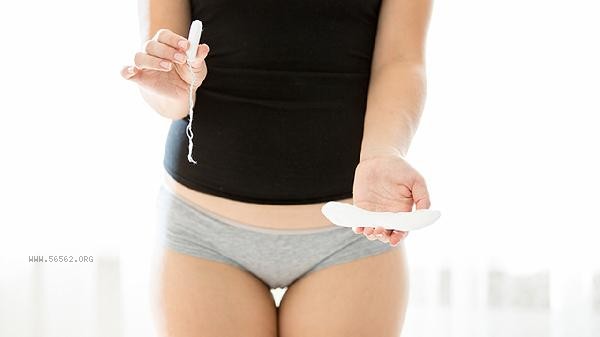
During menstruation, the body is in a special physiological state and should ensure a daily intake of 1200-1500 milliliters of water. Avoid drinking strong tea, coffee, and cold drinks. Low intensity exercises such as walking and yoga can be performed, but should be stopped immediately when obvious fatigue or dysmenorrhea occurs. Record changes in menstrual cycle. If abnormal bleeding or persistent weight fluctuations are found, it is necessary to seek medical attention promptly at the gynecology or endocrinology department. It is safer to gradually resume a regular weight loss plan 3-5 days after the end of menstruation.








Comments (0)
Leave a Comment
No comments yet
Be the first to share your thoughts!