
It is not recommended to intentionally lose weight during menstruation, but weight fluctuations can be controlled by adjusting diet. Supplementing iron rich foods such as lean meat and dark vegetables in moderation during the physiological period, and choosing low glycemic index staple foods such as oats and whole wheat bread, can help maintain blood sugar stability and avoid overeating.
1. Animal Liver
Pig liver, chicken liver and other animal livers are rich in heme iron, with a high absorption rate. Consuming them during menstruation can prevent fatigue caused by hemorrhagic anemia. It is recommended to consume 50-80 grams of braised or stewed liver per week and avoid high calorie cooking methods such as frying.
2. Dark green vegetables
Dark leafy vegetables such as spinach and amaranth contain non heme iron and vitamin C, which can promote iron absorption. Consuming 300 grams of blanched or stir fried green leafy vegetables daily during menstruation can not only supplement lost nutrients, but also increase satiety with dietary fiber.
3. High quality protein
White meat such as fish and shrimp, as well as low-fat milk, provide high-quality protein to maintain muscle mass while reducing calorie intake. 150 grams of steamed fish or boiled shrimp can be arranged daily, paired with 200 milliliters of warm skim milk to avoid edema caused by insufficient protein during menstruation.

4. Compound Carbohydrates
Whole grains such as oatmeal and brown rice are rich in B vitamins and magnesium, which can help alleviate menstrual anxiety. Suggest using 30g oatmeal instead of white rice flour for breakfast to slowly release energy and prevent premature hunger.
Fifth, Warm Fruits
Red dates, apples and other fruits contain pectin and mineral resources, which are more suitable for menstrual physical needs after steaming and cooking. Eat 10 seedless red dates or 1 steamed apple every day to avoid discomfort caused by raw and cold fruits stimulating the gastrointestinal tract.
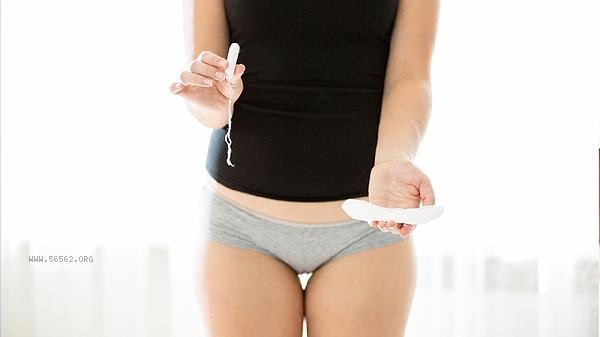
During menstruation, it is recommended to maintain a daily intake of 1500-2000 milliliters of warm water and engage in moderate yoga or walking to promote blood circulation. Avoid vigorous exercise, excessive dieting, and taking weight loss medication. Gradually resume the regular weight loss plan one week after the end of the menstrual period. If severe edema or abnormal weight gain occurs, seek medical attention to rule out endocrine disorders and other issues.








Comments (0)
Leave a Comment
No comments yet
Be the first to share your thoughts!