
Dieting to lose weight can lead to menstrual disorders, which can be improved through adjusting dietary structure, supplementing nutrients, moderate exercise, psychological regulation, medical intervention, and other methods. Menstruation may be related to factors such as malnutrition, hormonal imbalances, decreased ovarian function, low body weight, and excessive mental stress.

1. Adjusting dietary structure
Long term dieting can lead to insufficient energy and nutrient intake. It is recommended to gradually return to a normal diet, consume no less than 1500 calories per day, increase high-quality protein intake such as eggs and fish, and increase the proportion of complex carbohydrates such as whole grains and potatoes. Maintain regular meals and avoid prolonged fasting.
2. Supplementing Nutrients
Focus on supplementing hematopoietic related nutrients such as iron, zinc, and B vitamins, and consume animal liver, red meat, and shellfish in moderation. Ensure daily intake of 300-500 grams of dark vegetables to supplement folic acid, and if necessary, take compound ferrous sulfate folic acid tablets, zinc gluconate oral solution, compound vitamin B tablets and other preparations under the guidance of a doctor.
3. Moderate exercise
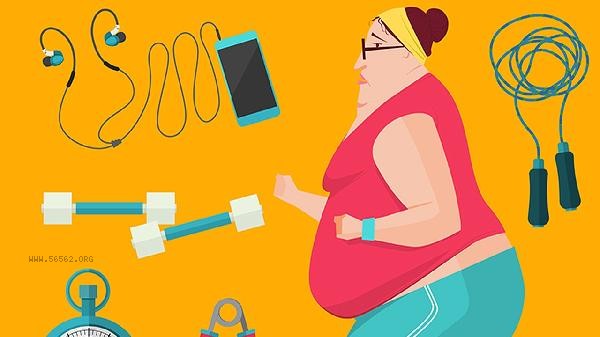
It is recommended to engage in low-intensity aerobic exercise such as brisk walking and yoga, 3-5 times a week, with each session lasting no more than 40 minutes. Avoid high-intensity exercise that increases energy consumption, and control the exercise heart rate at 60% -70% of the maximum heart rate. Properly supplement carbohydrates before and after exercise.
4. Psychological regulation
Cognitive behavioral interventions help correct misconceptions about excessive focus on body shape, and seek psychological counseling if necessary. Try mindfulness diet training and record the relationship between emotions and eating. Join a mutual aid group to improve social support and alleviate weight loss anxiety.
5. Medical Intervention
If amenorrhea persists for more than 3 months, gynecological treatment is required. Doctors may recommend using drugs such as estradiol valerate tablets/estradiol cyproterone acetate tablets in combination packaging to establish an artificial cycle. Simultaneously conducting bone density tests, severe malnutrition may require hospitalization for enteral nutrition support treatment.

It is recommended to gradually maintain a body weight above BMI18.5 and monitor basal body temperature weekly to assess ovulation recovery. Moderate consumption of plant-based foods with high estrogen content, such as flaxseed and black beans, is recommended. Ensure 7-8 hours of sleep and avoid nighttime light exposure affecting melatonin secretion. If menstruation has not resumed within 6 months, gynecological ultrasound and six tests of sex hormones are needed to evaluate ovarian function.








Comments (0)
Leave a Comment
No comments yet
Be the first to share your thoughts!