
Weight loss, dieting, and constipation can be improved by adjusting dietary structure, increasing dietary fiber intake, moderate exercise, replenishing water, and using medication. Weight loss, dieting, and constipation are usually caused by insufficient dietary fiber, reduced water intake, slowed gastrointestinal motility, imbalanced gut microbiota, and decreased metabolic rate.

1. Adjust dietary structure
Reduce the intake of high-fat and high sugar foods, and increase the proportion of vegetables and fruits. It is recommended to consume vegetables rich in dietary fiber such as broccoli, spinach, celery, as well as fruits such as apples, bananas, and pears daily. To avoid complete withdrawal from staple foods, coarse grains such as oats and brown rice can be chosen as alternatives to refined rice and flour.
2. Increase dietary fiber intake
Dietary fiber can promote intestinal peristalsis and help with bowel movements. Soluble dietary fibers such as konjac flour, chia seeds, and flaxseed can absorb moisture and soften feces; Insoluble dietary fiber such as whole wheat bread and legumes can increase fecal volume. Attention should be paid to gradually increasing intake to avoid bloating caused by excessive intake in the short term.
3. Moderate exercise
Engage in 3-5 aerobic exercises per week, such as brisk walking, jogging, swimming, etc., each lasting 30-40 minutes. Exercise can stimulate intestinal peristalsis and improve abdominal blood circulation. You can also try massaging the abdomen clockwise, starting from the lower right abdomen and passing through the navel to the lower left abdomen, 2-3 times a day for 5 minutes each time.
4. Supplement Water
Daily water intake should reach 1500-2000 milliliters. Drinking 300 milliliters of warm water on an empty stomach in the morning can stimulate the gastrocolic reflex. You can drink honey water, diluted salt water or lemon water in moderation. Avoid drinking large amounts of water at once, and it is recommended to replenish small amounts multiple times. After exercise, replenish water in a timely manner.
5. Use of drugs
If the lifestyle adjustment is ineffective, you can use lactulose oral solution, polyethylene glycol 4000 powder and other osmotic laxatives, or traditional Chinese patent medicines and simple preparations such as compound aloe capsules, Maren soft capsules, etc. for a short time. Severe constipation can be treated with Kailuo according to medical advice, but long-term dependence should be avoided. The use of medication should be carried out under the guidance of a doctor.
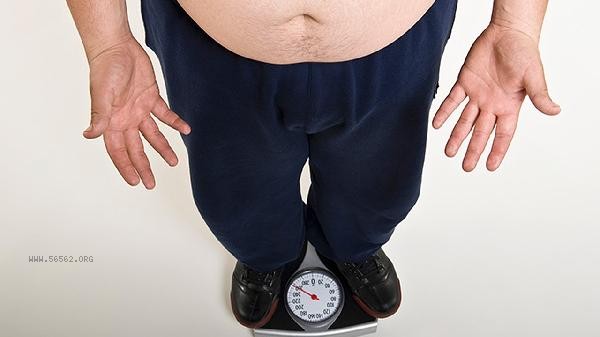
When constipation occurs during weight loss, one should maintain a regular daily routine and try to defecate at a fixed time every day to establish a bowel reflex. Avoid prolonged sitting and get up and move for 5 minutes every hour. Probiotics can be supplemented appropriately to improve the gut microbiota, such as Bifidobacterium triple viable capsules. If constipation persists for more than a week or symptoms such as abdominal pain and bloody stool appear, seek medical attention promptly to rule out organic lesions. Losing weight requires a scientific approach and excessive dieting is not recommended. The daily calorie intake should not be less than 1200 calories. You can consult a nutritionist to develop a personalized plan.








Comments (0)
Leave a Comment
No comments yet
Be the first to share your thoughts!