
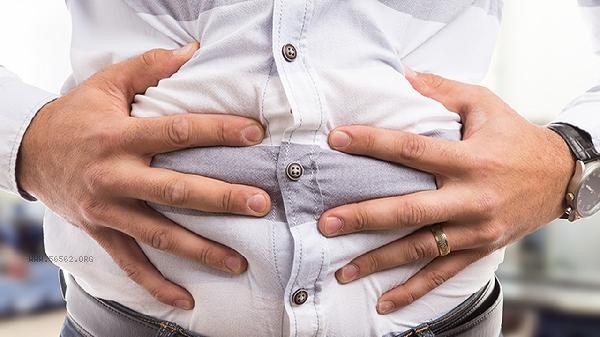
Constipation during weight loss can be alleviated by adjusting dietary structure, increasing physical activity, supplementing probiotics, regular bowel movements, medication intervention, and other methods. Constipation may be related to factors such as insufficient dietary fiber intake, slowed gastrointestinal motility, dysbiosis of gut microbiota, changes in bowel habits, and medication side effects.
1. Adjusting dietary structure
Properly increasing daily dietary fiber intake can help promote intestinal peristalsis. It is recommended to choose high fiber foods such as broccoli, oatmeal, chia seeds, etc. The daily recommended amount of vegetables and fruits should exceed 500 grams. During weight loss, it is important to avoid excessive dieting that can lead to insufficient food residue. Adding a small amount of olive oil or nuts can help lubricate the intestines.
2. Increase Activity
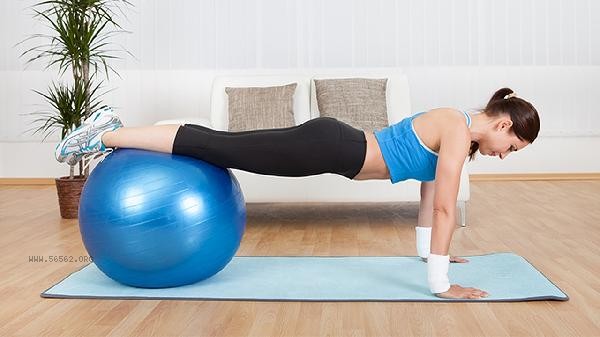
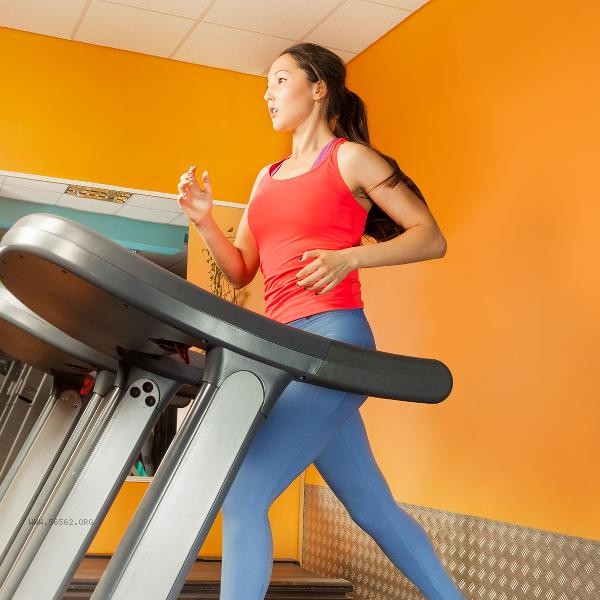
Maintaining moderate to low intensity exercise for at least 30 minutes daily can enhance abdominal muscle contraction and improve intestinal peristalsis. Recommend aerobic exercises such as brisk walking and swimming, and avoid sitting for more than 2 hours. Timely supplement warm water after exercise, and massage the abdomen clockwise for better results.
3. Supplementing probiotics
Imbalance of gut microbiota may exacerbate constipation symptoms. Microecological preparations such as lactobacillus tablets and bifidobacterium triple active capsules can be chosen, and taken with warm water after breakfast. Moderate consumption of fermented foods such as sugar free yogurt and kimchi is recommended in daily life, but attention should be paid to controlling total calorie intake.
4. Regular defecation training
Try to defecate within 30 minutes after waking up in the morning or after meals to establish a regular defecation reflex. You can adopt a squatting position and use a footstool to elevate your knees to simulate a natural defecation position. Concentrate during bowel movements and keep it within 5 minutes each time to avoid forcefully causing hemorrhoids.
5. Medication intervention
For stubborn constipation, laxatives such as lactulose oral solution, polyethylene glycol 4000 powder, and Bisacodine enteric coated tablets can be used under the guidance of a doctor. When using laxatives to assist defecation in the short term, attention should be paid to the operation method to avoid damage to the rectal mucosa. Long term dependence on stimulant laxatives is prohibited. During weight loss, it is recommended to drink 2000 milliliters of water per day. Drinking 300 milliliters of warm water on an empty stomach in the morning can stimulate the gastrocolic reflex. Avoid excessive intake of diuretic drinks such as coffee and strong tea. If constipation persists for more than a week after adjusting lifestyle, or is accompanied by symptoms such as abdominal pain and bloody stools, it is necessary to seek medical attention from a gastroenterologist in a timely manner to rule out organic diseases. It is advisable to control the weight loss rate at 2-4 kilograms per month, as excessive calorie restriction may worsen gastrointestinal dysfunction.








Comments (0)
Leave a Comment
No comments yet
Be the first to share your thoughts!