
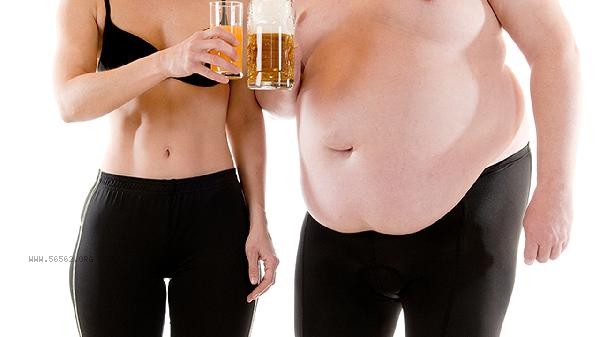
During weight loss, try to avoid processed foods that are high in sugar, fat, and salt, mainly carbonated drinks, fried foods, cream products, puffed snacks, and excessively refined staple foods. Reasonably controlling calorie intake while ensuring nutritional balance.
1. Carbonated Beverages
Carbonated beverages such as cola and Sprite contain a large amount of added sugar. A 500ml bottle of carbonated beverage can contain over 200 calories, equivalent to half a bowl of rice. High sugar can cause rapid fluctuations in blood sugar, stimulate insulin secretion, and promote fat accumulation. During weight loss, it is recommended to use sugar free tea drinks, lemon water, or plain water as substitutes.
2. Fried food
Fried chicken, French fries, deep-fried dough sticks and other fried food have significantly increased fat content after high temperature cooking, and the heat of 100g fried chicken wings can reach more than 300 kcal. The trans fatty acids produced by high temperatures can also increase cardiovascular burden. It is recommended to change the cooking method to steaming, boiling, or baking in an oven.
3. Cream products
Cake, ice cream, butter and other cream products are rich in saturated fatty acids, with 100 grams of cream cake containing approximately 350 calories. Excessive intake can easily lead to excessive calorie intake and may also affect blood lipid metabolism. Occasionally, low-fat milk jelly, fruit yogurt, and other alternatives can be chosen for consumption.

4. Puffed Snacks
Puffed foods such as potato chips and shrimp strips have extremely high heat density after deep processing, with 30 grams of potato chips containing nearly 150 calories and exceeding the sodium content limit. These types of snacks are prone to overconsumption. During weight loss, you can switch to chewy snacks such as natural nuts and low salt popcorn to control your intake.
5. Excessive refined staple foods
Refined carbohydrates such as white rice and white bread have a high glycemic index, and excessive consumption may affect weight loss results. It is recommended to replace some refined staple foods with coarse grains such as brown rice and whole wheat bread. The staple food for each meal should be kept within the size of a fist, and should be consumed with sufficient vegetables and high-quality protein. During the weight loss period, in addition to avoiding the above-mentioned foods, it is recommended to maintain a regular three meal schedule, drink 1500-2000 milliliters of water daily, and engage in 150 minutes of moderate intensity exercise such as brisk walking, swimming, etc. every week. When cooking, use steaming and boiling more, and less methods such as braising and frying. Keeping a diet diary can help control total intake, but excessive dieting is not recommended. If you experience discomfort such as dizziness and fatigue, you should adjust your diet or consult a nutritionist in a timely manner.








Comments (0)
Leave a Comment
No comments yet
Be the first to share your thoughts!