
It is usually not recommended to continue consuming rice if it smells unpleasant, as there may be a risk of mold growth. Moldy rice may produce harmful substances such as aflatoxins, which can be identified by observing color changes, checking texture, smelling odors, examining insect infestation marks, testing germination rates, and other methods. The appearance of moldy rice may show abnormal colors such as yellow, green, or black, and the surface of the rice grains may be covered with powdery or filamentous mold. Normal rice appears uniformly white or light yellow, but after mold growth, the color distribution is uneven and the color is dull. The texture of moldy rice will become soft and damp, losing the dry and hard feeling of normal rice, and may stick or clump when twisted by hand. Moldy rice will emit a distinct moldy, sour, or lees flavor, which is significantly different from the fragrance of normal rice. Moldy rice is prone to breeding storage pests such as rice weevils, and insect eggs or marks can be seen in the corners of rice bags or gaps between rice grains. Soak a small amount of rice for observation, and the germination rate of moldy rice will significantly decrease or not germinate at all. If there are no obvious signs of mold growth on rice with slight masking, it can be spread out and dried before consumption as soon as possible. Spread the rice flat in a clean container and place it in a ventilated and dry place to air dry for several hours. During this time, flip it regularly to ensure even drying. Rice that has been dried should be stored in a sealed container and treated with food desiccants to absorb any remaining moisture. Before consuming lightly flavored rice, it is necessary to wash it thoroughly. It is recommended to increase the washing frequency to 3-4 times until the washing water becomes clear. Slightly flavored rice is suitable for high temperature cooking, and can be made into rice, Congee, rice cake and other food that needs to be fully heated.
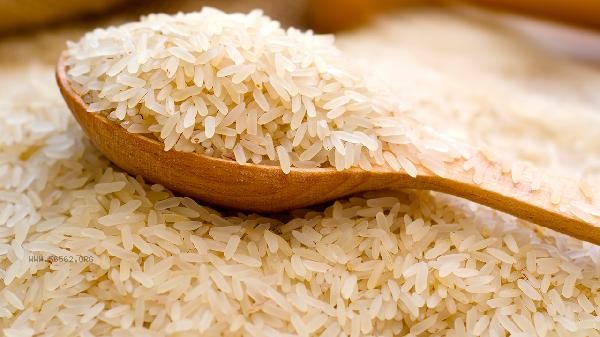
Rice should be stored in a cool and dry environment for daily use, avoiding moisture and high temperatures. Using a sealed container for storage can effectively isolate air and moisture. It is recommended to consume each bag of rice as soon as possible after opening. Regularly inspect the quality status of inventory rice and promptly handle any abnormalities found. Moldy rice contains various harmful substances, and long-term intake may damage liver function, and in severe cases, may induce cancer. If you experience discomfort such as abdominal pain and diarrhea after accidentally consuming moldy rice, you should immediately stop eating it and seek medical examination. Reasonably controlling the purchase quantity and following the first in, first out principle can reduce the probability of rice mold.








Comments (0)
Leave a Comment
No comments yet
Be the first to share your thoughts!