
Losing weight and hair can be greatly improved by adjusting diet structure, supplementing nutrients, reducing stress, exercising gently, and seeking medical examination. Hair loss during weight loss is usually caused by malnutrition, metabolic disorders, hormonal imbalances, psychological factors, secondary diseases, and other reasons.
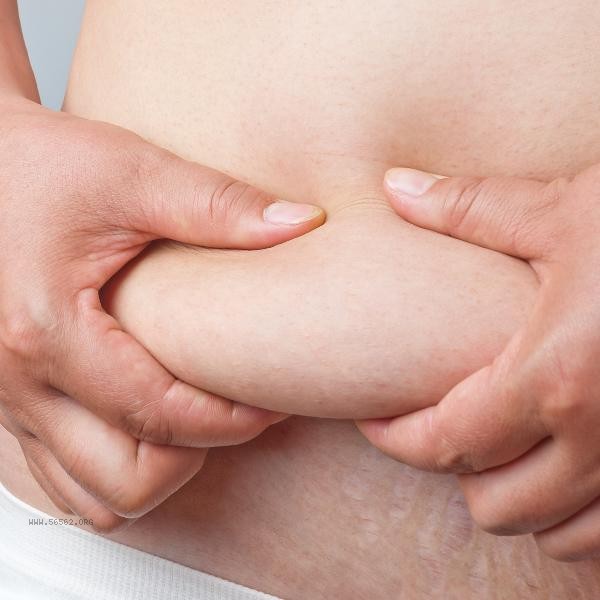
1. Adjusting dietary structure
Excessive dieting leading to deficiencies in nutrients such as protein, iron, and zinc is the main cause of hair loss. It is recommended to consume high-quality protein such as eggs and fish daily, paired with iron rich animal liver and spinach, as well as zinc rich oysters and nuts. To avoid completely cutting off carbohydrates, low sugar staple foods such as brown rice and oats can be chosen. On the basis of regular three meals, it is possible to supplement nutrition with small and multiple meals.
2. Supplementing Nutrients
Under the guidance of a doctor, targeted supplementation of nutrients such as biotin, vitamin B, and vitamin D can improve hair follicle health. Compound vitamin and mineral tablets such as Shancun Multidimensional Element Tablets and 21 Gold Vitasoy Tablets can be used as basic supplements. In severe cases of deficiency, therapeutic preparations such as zinc gluconate oral solution and ferrous succinate tablets should be used according to medical advice. Avoid blindly supplementing single nutrients in large doses.
3. Reduce stress
The psychological pressure caused by weight loss can exacerbate hair loss during the resting period. Adopt mindfulness meditation, adequate sleep (7-9 hours per day), and cultivate interest to alleviate anxiety. To avoid psychological burden caused by daily weight measurement, it is recommended to monitor body fat changes at a fixed time every week instead of simply focusing on weight values. When short-term hair loss worsens, there is no need to panic excessively. Usually, it will recover on its own 3-6 months after the stress is relieved.
4. Moderate exercise
Sudden increase in high-intensity exercise may exacerbate metabolic disorders. It is recommended to engage in 3-5 low-intensity exercises such as brisk walking, swimming, and yoga per week, each lasting 30-50 minutes. Timely supplement electrolytes and moderate carbohydrates after exercise, such as bananas, whole wheat bread, etc. Avoid exercising in a state of hunger, and the intensity of exercise should be moderate with slight sweating and normal conversation.
5. Medical examination
If severe hair loss persists, endocrine disorders such as thyroid dysfunction and polycystic ovary syndrome should be investigated. hypothyroidism can manifest as dry and easily breakable hair, requiring examination of five thyroid function tests; When women experience acne and menstrual disorders, it is recommended to screen for six types of sex hormones. After identifying the cause, medication such as levothyroxine sodium tablets and spironolactone tablets can be used for etiological treatment according to medical advice. During weight loss, it is recommended to consume at least 1200 calories per day, with males consuming no less than 1500 calories. Adopting a gradual weight loss strategy, the weekly weight loss should not exceed one percent of the total weight. When washing hair, keep the water temperature below 38 degrees Celsius and avoid vigorously rubbing the hair. You can choose anti shedding shampoo containing ginger and cypress leaves as auxiliary care, and at the same time, use scalp massage to promote blood circulation. If the amount of hair loss continues to exceed 100 hairs per day or if alopecia areata occurs, it is necessary to seek timely medical attention from a dermatologist or endocrinologist.








Comments (0)
Leave a Comment
No comments yet
Be the first to share your thoughts!