
Dieting to lose weight and relieve constipation can be achieved through adjusting dietary structure, increasing water intake, appropriate exercise, abdominal massage, and following medical advice. Constipation may be caused by factors such as insufficient dietary fiber intake, dehydration, and weakened gastrointestinal motility.
1. Adjusting dietary structure
Dietary fiber can increase fecal volume and promote defecation. During dieting, it is easy to overlook the intake of whole grains, vegetables, and fruits. It is recommended to ensure daily intake of fiber rich foods such as green leafy vegetables, oats, and sweet potatoes. Avoid excessive restriction of fat, a small amount of nuts or olive oil can lubricate the intestines. People with weak gastrointestinal function can choose easily digestible cooking methods such as steaming.
2. Increase water intake
Lack of water can lead to dry and hard feces that are difficult to excrete. It is recommended to drink 2000 milliliters of warm water every day, and drinking a glass of diluted salt water on an empty stomach in the morning can help stimulate intestinal peristalsis. Can be paired with drinking lemon water or cassia seed tea, but avoid relying on stimulant laxatives. Please note that coffee and strong tea may exacerbate dehydration.
3. Moderate exercise
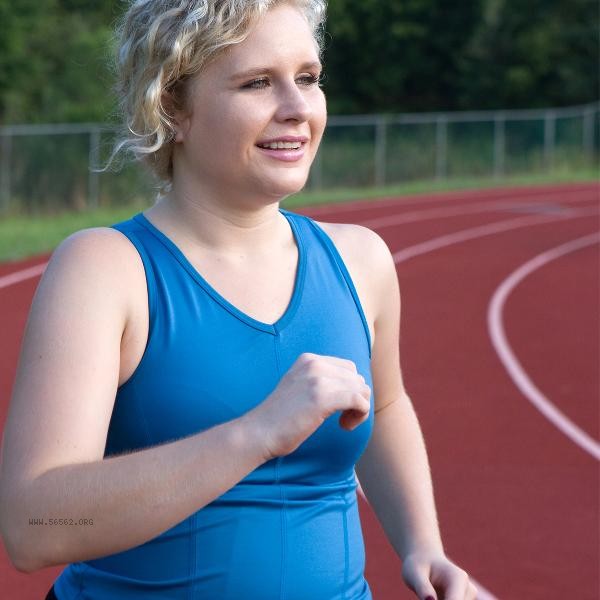
Prolonged sitting can weaken intestinal peristalsis function. It is recommended to engage in 30 minutes of brisk walking, yoga twisting postures, or supine cycling exercises every day. Clockwise massage around the navel combined with abdominal breathing yields better results. Taking a 15 minute walk after a meal can utilize the gastrocolic reflex to promote bowel movements.
4. Abdominal massage
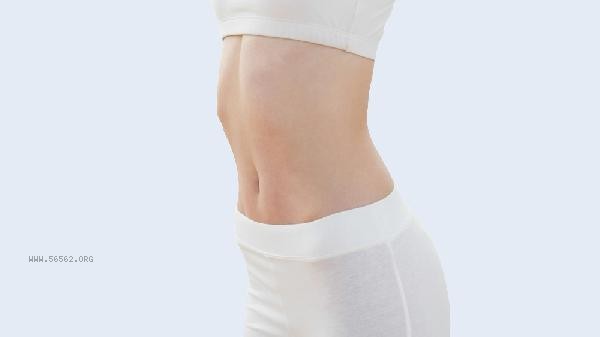
Clockwise massage along the colon can physically stimulate the intestines. Take a supine position and bend your knees. Use your palm to press in circles starting from the lower right abdomen, passing through the upper right abdomen, upper left abdomen, and lower left abdomen, for 10 minutes each time. It can be alternately applied with hot water bags, and the temperature should not exceed 40 ℃. Drinking warm water before massage can enhance the effect.
5. Medication according to medical advice
If lifestyle adjustments are ineffective, short-term use of lactulose oral solution, wheat cellulose granules, or Bifidobacterium triple active bacteria capsules as isothermal and laxatives can be done under the guidance of a doctor. Avoid long-term use of irritating laxatives such as senna and rhubarb, which can lead to colonic melanosis. If accompanied by abdominal pain or rectal bleeding, seek medical attention promptly to rule out organic diseases. Establishing a regular bowel habit is crucial for improving constipation, and it is recommended to try defecating for 5-10 minutes every morning or after meals. During the weight loss period, the daily calorie intake should not be less than 1200 calories, and a small and frequent meal pattern can be adopted. Long term constipation may cause hemorrhoids or anal fissures. If the symptoms persist for more than 2 weeks, it is necessary to seek medical attention from a gastroenterologist. You can eat pitaya fruit, kiwi fruit and other fruits to help relieve constipation, but diabetes patients need to control their intake.








Comments (0)
Leave a Comment
No comments yet
Be the first to share your thoughts!