
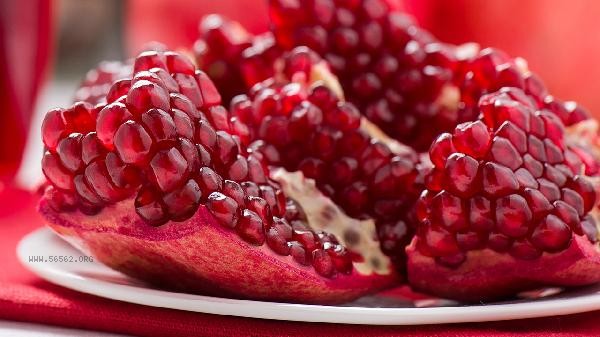
Pomegranate is a fruit that ripens in autumn and is usually harvested from September to November. The maturity period of pomegranate is influenced by factors such as variety, climate, and planting area, mainly including early maturing varieties, medium maturing varieties, and late maturing varieties.
1. Early maturing varieties
Early maturing pomegranate varieties such as Tunisian soft seed pomegranate can mature in late August. This type of pomegranate has thin skin, bright colored seeds, high sweetness but poor storage resistance, making it suitable for fresh consumption. Early maturing varieties have lower requirements for accumulated temperature, and their maturity period will be advanced when planted in warm areas.
2. Medium maturing varieties
Medium maturing varieties such as Shaanxi Lintong pomegranate usually mature from mid September to early October. The skin is of medium thickness, the seeds are plump and juicy, with a moderate sour and sweet taste, and have both fresh and processed value. Mid maturity varieties have strong adaptability and are the most widely planted type in China.
3. Late maturing varieties
Late maturing varieties such as Yunnan crystal pomegranate can continue to mature until November. The skin is thick and durable for storage, the seeds are crystal clear, and the acidity is more pronounced. Late maturing varieties require longer growth cycles and have better quality in areas with large temperature differences between day and night.
4. Climate Impact
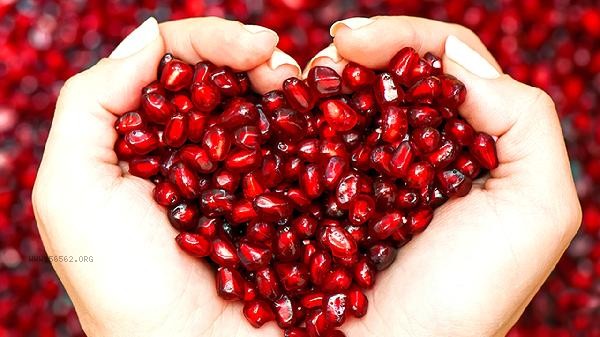
Due to higher temperatures, the ripening period of pomegranates in southern regions is usually earlier than in northern regions. A dry and rainless environment is conducive to sugar accumulation, but insufficient precipitation can lead to smaller fruits. When the temperature difference between day and night in autumn exceeds 10 degrees, high-quality pomegranates are more likely to form.
5. Selection method
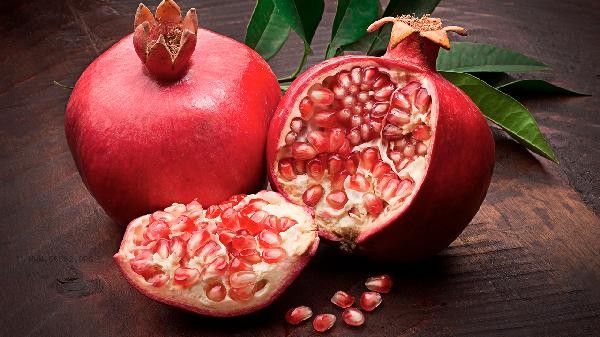
Mature pomegranate peel is yellow red and shiny, with a heavy hand feel indicating sufficient juice. Fruits with distinct edges and closed hilts develop more fully. Avoid choosing pomegranates with black spots or cracks on the skin, as these fruits may be overripe or damaged. Pomegranate is rich in antioxidants such as vitamin C, anthocyanins, and tannic acid. It is recommended to chew it with seeds to obtain more dietary fiber. Eating half a medium-sized pomegranate daily in autumn can meet nutritional needs, while those with weak gastrointestinal function should control their consumption. Mature pomegranate can be stored in a cool place for a long time, but it should be consumed as soon as possible after cutting to prevent spoilage.








Comments (0)
Leave a Comment
No comments yet
Be the first to share your thoughts!