
Tomatoes that are too hard may be caused by factors such as incomplete ripening, variety characteristics, low-temperature storage, premature harvesting, and hormone use.
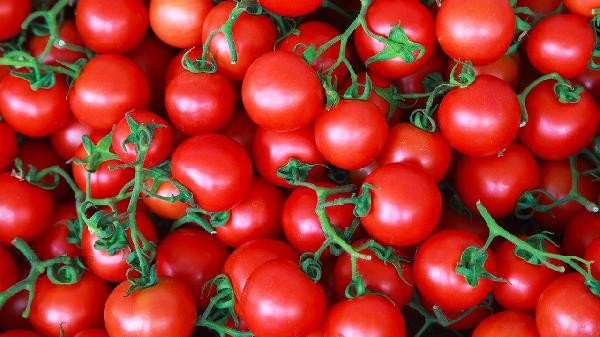
1. Immature
The pectin substances in immature tomato flesh have not been fully decomposed, resulting in a tight cell wall structure and higher hardness. Tomatoes that ripen naturally will gradually soften, and maturity can be determined by observing whether the color around the stem turns red evenly. After harvesting, placing it in a room temperature and ventilated area can promote post ripening, but the flavor and sugar content may be slightly lower than naturally ripe fruits.
2. Variety Characteristics
Some tomato varieties, such as steak tomatoes and cherry tomatoes with thicker flesh, have higher hardness and are selected to adapt to long-distance transportation or extend shelf life. Hard varieties maintain a certain degree of hardness even after complete maturity, making them more suitable for eating methods such as sliced salads that require shape preservation compared to ordinary soft tomatoes.
3. Low temperature storage
When tomatoes are stored in an environment below 10 degrees Celsius, low temperature can inhibit the activity of ethylene synthase, leading to the obstruction of post ripening process. Even when refrigerated tomatoes return to room temperature, they are difficult to soften normally and may experience lignification caused by frostbite. It is recommended to slowly ripen unripe tomatoes in a cool place at 12-15 degrees Celsius.

4. Picking too early
In commercial planting, in order to reduce transportation losses, tomatoes are often harvested during the color changing period, when the fruit has only completed swelling and is not fully ripe. Although tomatoes harvested too early turn red in appearance, they still retain the hard texture of the green fruit stage inside. This type of fruit has insufficient ethylene production, resulting in limited subsequent softening and accumulation of flavor compounds.
5. Hormone use
Excessive use of plant growth regulators during the planting process may lead to abnormal cell proliferation and the formation of lignified tissue. Although some red enhancers can promote epidermal coloring, they can interfere with the normal physiological ripening process of fruits. When making a purchase, pay attention to whether there are any residual drug spots on the navel of the fruit, and whether there are any abnormal conditions such as hollowing or fibrosis in the flesh.
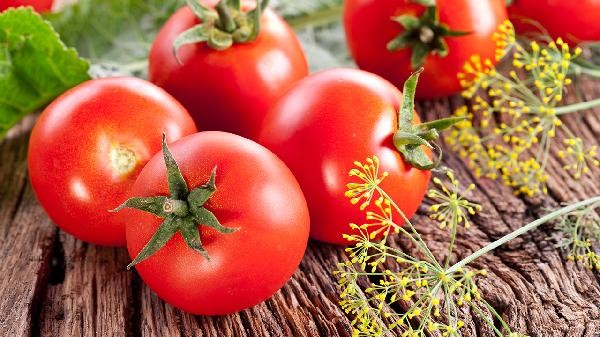
When selecting tomatoes in daily life, gently pinch the shoulder of the fruit to test its elasticity, and choose fruits with smooth skin and uniform color. Hard tomatoes are suitable for cooking, and when making cold dishes, you can slice them in advance and sprinkle salt to promote softening. Avoid refrigeration during storage, as storing with fruits such as apples and bananas that release a large amount of ethylene can accelerate ripening. If you consume abnormally hard tomatoes for a long time, it is recommended to choose organic planting or naturally matured products in the current season.








Comments (0)
Leave a Comment
No comments yet
Be the first to share your thoughts!