
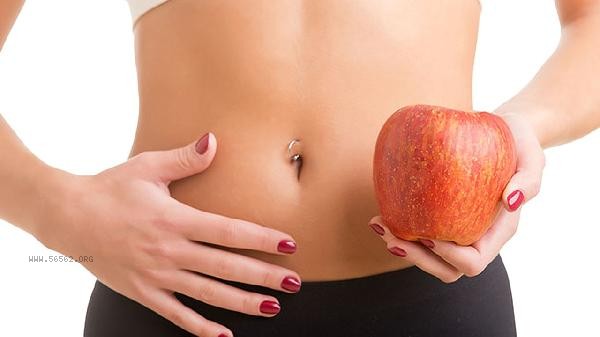
For a weight loss dinner, you can eat foods such as broccoli, chicken breast, oats, tomatoes, salmon, etc. in moderation, or adjust your diet structure in an appropriate way.
1. Food
1. broccoli
broccoli is rich in dietary fiber and vitamin C. Dietary fiber can slow down gastric emptying and help increase satiety. Every 100 grams of broccoli contains approximately 35 calories, and it is recommended to choose steaming or boiling when cooking. The sulforaphane in broccoli may promote fat metabolism and is suitable as a dinner side dish during weight loss.
2. Chicken breast
Chicken breast is a high-quality source of protein, and the process of protein digestion and absorption requires a significant amount of calories. If the fat content of skinless chicken breast is less than 3%, it is recommended to use low oil frying or boiling methods. Moderate intake can help maintain muscle mass and avoid a decrease in basal metabolic rate.
3. Oats
Oats contain rich β - glucan soluble fiber, which can form gel in the stomach to delay sugar absorption. Choosing raw steel cut oats has a lower glycemic index than ready to eat oats, and dinner consumption should be controlled at 30-50 grams of dry weight. It can be paired with low-fat milk or yogurt to increase protein intake.
4. Tomatoes
Tomatoes have a moisture content of over 90% and only contain 18 calories per 100 grams. Lycopene has antioxidant properties and is good for cold dishes or soups. But those with excessive stomach acid should be aware that consuming on an empty stomach may cause discomfort.
5. Salmon
Salmon is rich in omega-3 unsaturated fatty acids, and moderate consumption can help regulate blood lipid metabolism. Choose steaming or baking methods to avoid deep frying. Consume 2-3 times a week, with a portion size controlled at 100-150 grams per time.
II. Precautions
During weight loss, the total amount of dinner intake should be controlled within 30% of the daily calories, and it is best to finish eating 3 hours before bedtime. You can choose a small plate to control the portion size, and chewing slowly can help generate a satiety signal. Avoid high starch and high sugar foods, such as polished rice, white flour, desserts, etc., which can easily lead to excessive calories. At the same time, pay attention to replenishing enough water, and it is recommended to drink 1500-2000 milliliters of water per day. Moderate exercise is more effective, such as taking a 30 minute walk after dinner to help burn some calories. Long term adherence to a healthy diet is more beneficial for weight management than short-term extreme dieting.








Comments (0)
Leave a Comment
No comments yet
Be the first to share your thoughts!