
People who are underweight can supplement their nutrition by adding high-quality protein and high calorie foods. It is recommended to choose foods such as milk, eggs, nuts, full fat dairy products, avocados, etc. Weight gain requires ensuring that daily calorie intake exceeds expenditure, while also promoting muscle synthesis through moderate strength training.

1. Milk
Milk is rich in high-quality protein and natural milk fat, providing approximately 54 calories per 100 milliliters. Its whey protein and casein are easily absorbed by the human body and are suitable for consumption as snacks. Lactose intolerant individuals can choose low lactose milk or yogurt, which can be paired with grains to delay gastric emptying time and increase satiety.
2. Eggs
Whole eggs contain a complete amino acid profile, and lecithin in the yolk helps with lipid metabolism. Boiled eggs retain the most complete nutrients and can be consumed 2-3 times a day. Individuals with high cholesterol levels should control their egg yolk intake and increase the proportion of egg white to supplement protein.
3. Nuts
Almonds, walnuts, and other nuts have a high unit calorie density, with 30 grams containing approximately 180 calories. Rich in unsaturated fatty acids and vitamin E, it can be used as a snack between meals. But it is important to choose authentic nuts and avoid salt baked or sugar soaked products that increase sodium and sugar intake.
4. Full fat dairy products
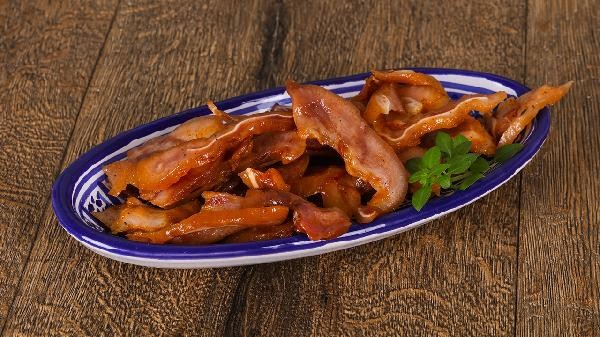
Dairy products such as cheese and butter have a fat content of over 20%, and a small amount can provide a large amount of calories. Suggest pairing it with bread or adding it to dishes, as conjugated linoleic acid in milk fat may help improve body composition. People with high blood lipids should control their single intake.
5. Avocado
A single avocado contains approximately 240 calories, with monounsaturated fatty acids accounting for over 70% of total fat. The fruit pulp can be used to make salads or milkshakes, and the dietary fiber it contains can delay the rise of blood sugar. When consuming, be aware that oxidized and spoiled fruit pulp may cause gastrointestinal discomfort.

During weight gain, it is recommended to adopt a small amount of multi meal mode, with 5-6 meals per day to ensure calorie surplus. Mix carbohydrates and protein in a ratio of 3:1 for each meal, such as oats with Greek yogurt or rice with fish. Avoid drinking coffee or strong tea on an empty stomach, which can affect appetite. When cooking, use olive oil in moderation to increase calories. Perform resistance training three times a week to stimulate muscle growth, and sleep for no less than 7 hours to facilitate nutrient absorption. Regularly monitor the change of body fat rate. If the body weight does not increase continuously, it is necessary to check hyperthyroidism, diabetes and other potential diseases.








Comments (0)
Leave a Comment
No comments yet
Be the first to share your thoughts!