
The main nutritional components of white rice include carbohydrates, a small amount of protein, trace amounts of fat, as well as B vitamins and minerals. White rice is a refined staple food, with starch as its core nutritional component and trace nutrients such as thiamine, niacin, iron, and zinc. However, dietary fiber and some vitamins are lost during the processing.
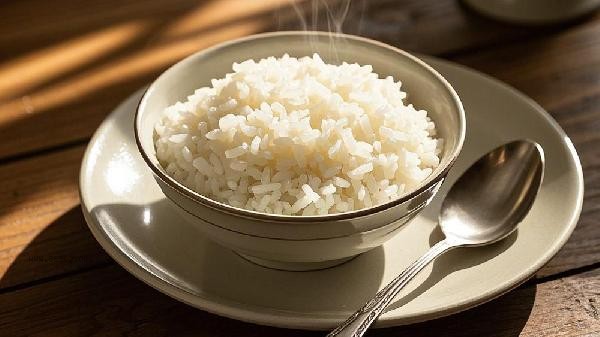
1. Carbohydrates
About 75% of white rice is composed of starch, which belongs to high glycemic index foods and can quickly provide energy. During the processing of polished rice, the removal of bran and germ leads to a decrease in resistant starch content and an increase in digestion and absorption rate. Long term consumption alone may affect blood sugar stability, and it is recommended to pair it with whole grains or mixed beans.
2. Protein
White rice contains 2-3 grams of protein per 100 grams, which belongs to incomplete protein and lacks essential amino acids such as lysine. Pairing with legumes can increase the protein bioavailability, while traditional diets of rice with tofu or red bean rice can achieve amino acid complementarity and improve protein utilization.
3. Vitamin B Family
Refined rice retains some thiamine and niacin, but the content is only one-third of brown rice. Vitamin B1 is involved in energy metabolism, and deficiency may lead to beriberi. Excessive or discarded rice soup can exacerbate vitamin loss. It is recommended to use no rice washing or control the washing frequency.
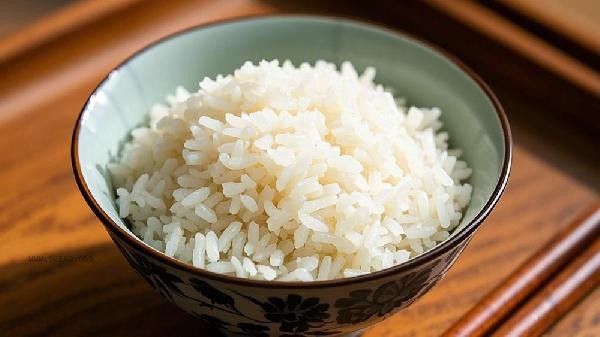
4. Minerals
White rice contains minerals such as iron and zinc, but the high content of phytic acid affects absorption. fermentation treatment, such as making Rice noodles, can degrade phytic acid and improve the bioavailability of minerals. Fortified rice with iron and zinc is an effective means of improving micronutrient deficiencies.
5. Other components
The fat content of polished rice is less than 1%, mainly unsaturated fatty acids. During the processing, some water-soluble vitamins dissolve into the rice soup, and keeping the rice soup for consumption can increase nutrient intake. Nutritious fortified rice produced by modern technology will add additional nutrients such as vitamin A and folic acid.
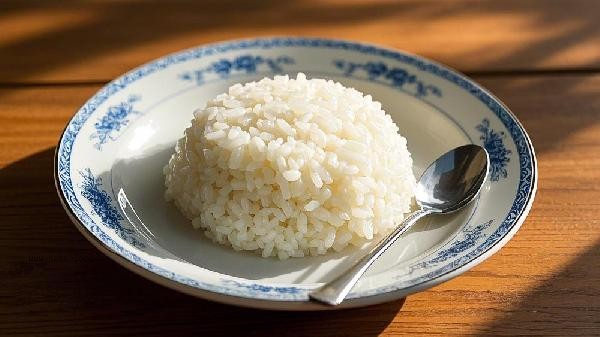
It is recommended to rotate the consumption of white rice with staple foods such as whole grains and potatoes, and pair it with dark vegetables and high-quality protein foods to compensate for nutritional deficiencies. The single intake should be controlled at 150-200g. diabetes patients can choose cooled rice to increase the content of resistant starch. Use covered cookware during cooking to reduce the loss of water-soluble vitamins and avoid nutrient depletion caused by repeated heating. Special populations such as pregnant women and athletes can increase the proportion of miscellaneous grains appropriately to increase their intake of dietary fiber and B vitamins.








Comments (0)
Leave a Comment
No comments yet
Be the first to share your thoughts!