
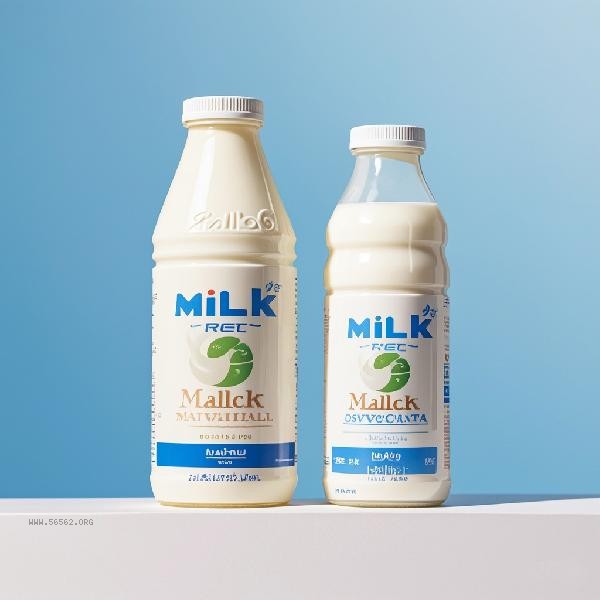
People aged 50-60 can choose from whole milk, low-fat milk, high calcium milk, fortified milk, or plant-based protein milk. The type of milk should be selected based on individual health status and nutritional needs. Lactose intolerant individuals can choose lactose free products, while those at high risk of osteoporosis can focus on high calcium types.
1. Whole Milk
Whole milk is rich in fat soluble vitamins and natural fats, suitable for middle-aged and elderly people with normal weight and no risk of cardiovascular disease. Its fat content helps promote calcium absorption, but daily intake should be controlled at 200-300 milliliters to avoid excessive intake of saturated fat.
2. Low fat milk
Low fat milk reduces fat content through defatting process, suitable for people with abnormal blood lipids or those who need to control their weight. While retaining most of the protein and calcium, reducing cardiovascular burden, it is recommended to pair it with grains to enhance satiety when drinking.
3. High Calcium Milk
Milk with a fortified calcium formula can provide over 120 milligrams of calcium per 100 milliliters, which is particularly important for preventing osteoporosis. It is recommended to use in combination with vitamin D supplements or sunlight, but patients with kidney stones should follow medical advice to control calcium intake.

4. Shuhua Milk
uses hydrolysis technology to break down lactose in Shuhua Milk, which can alleviate gastrointestinal discomfort caused by lactose intolerance. Its nutritional content is comparable to ordinary milk, making it particularly suitable for people who experience bloating and diarrhea symptoms after long-term milk consumption.
5. Plant protein milk
Almond milk, oat milk and other plant protein milk do not contain cholesterol and are suitable for vegetarians or people who are allergic to animal protein. When choosing, it is important to pay attention to calcium fortified formulas and supplement milk specific nutrients such as vitamin B12.
The recommended daily intake of dairy products for people aged 50-60 is 300-500 milliliters, which can be consumed in portions to avoid gastrointestinal discomfort. Moderate exercise and sunlight can improve calcium absorption rate. People with chronic diseases should consult a nutritionist to develop personalized plans. Pay attention to observing the body's reactions after drinking, and adjust the product category promptly if allergies or indigestion occur. In addition to milk, fermented dairy products such as yogurt and cheese can also serve as diverse choices for dietary calcium sources.








Comments (0)
Leave a Comment
No comments yet
Be the first to share your thoughts!