
The flavor of soy sauce mainly depends on the brewing process, raw material ratio, and fermentation time. High quality soy sauce usually has a bright red brown color, a rich and mellow sauce aroma, a balanced taste of fresh and salty, no pungent chemical odor, and long-lasting and uniform wall hanging.
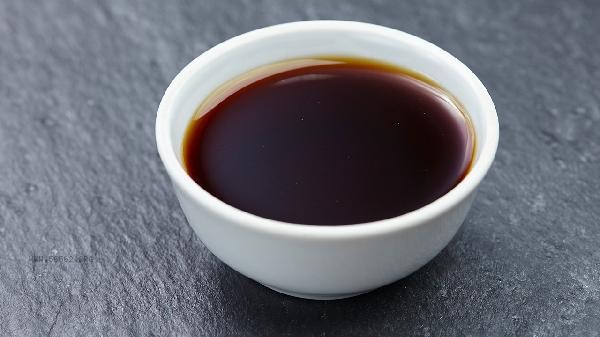
1. Bright reddish brown color
High quality soy sauce presents a natural reddish brown color, with an amber like clarity when observed under light, which is the result of the Maillard reaction in the traditional solid-state fermentation process. Poor quality soy sauce may have caramel coloring added, leading to blackening of the color or the use of hydrolysis processes resulting in cloudy precipitation. Soy sauce fermented in high salt dilute state has a more transparent color, while soy sauce fermented in low salt solid state has a relatively darker color.
2. Rich and mellow sauce aroma
Traditional brewed soy sauce has a complex aroma, including fermented soybean aroma, caramel aroma, and ester aroma substances. Soy sauce that has been naturally fermented for more than 6 months will form a distinct sauce aroma, while quick brewed soy sauce often has a pungent ammonia or rancid taste. The long-lasting fragrance after opening is also a quality indicator, and the aroma of inferior soy sauce will quickly evaporate.
Thirdly, the taste is harmonious between freshness and saltiness.
Good soy sauce has a moderate salty taste, and the amino acid nitrogen content of the umami substance exceeds 0.8 grams per 100 milliliters, with a noticeable aftertaste. Sodium glutamate is commonly used to enhance the freshness of soy sauce, which can produce a sudden separation of freshness and saltiness. Fermented soy sauce contains various organic acids, which can make the salty and savory taste more rounded and full.

4. No pungent chemical odor
Soy sauce brewed from pure grains only has a natural fermentation odor. If you smell an acidic, moldy, or chemical solvent odor, it may be due to raw material mold or the addition of hydrolyzed plant protein. Some low-priced soy sauce may contain preservatives such as sodium benzoate, which can produce a pungent odor similar to that of a medicinal solution.
5. Long lasting and uniform wall hanging
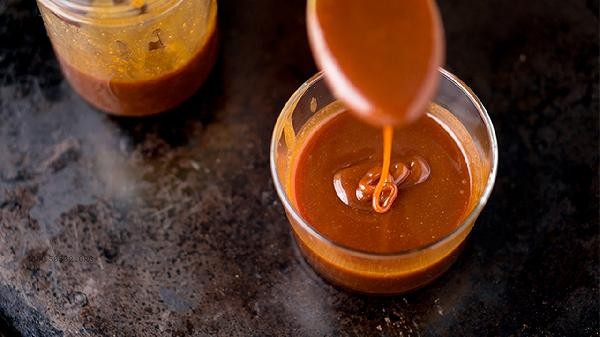
After shaking soy sauce along the bottle wall, high-quality soy sauce will form a uniform and slow falling wall hanging, which is a manifestation of high concentration amino acids and sugar substances. Soy sauce mixed with water or thickeners either has thin walls or produces an unnatural sticky texture. A hanging time of more than 10 seconds usually indicates sufficient fermentation.
When choosing soy sauce, it is recommended to check the ingredient list and choose products based on four basic ingredients: water, soybeans, wheat, and salt, to avoid preservatives and flavor enhancers. Brewed soy sauce should be refrigerated and stored after opening to avoid direct sunlight. In daily cooking, light soy sauce is suitable for cold mixing to enhance freshness, while dark soy sauce is used for braising and coloring. Children and hypertensive patients should control their soy sauce intake. Different cuisines can be paired with different flavors of soy sauce, such as Cantonese soy sauce with a sweet taste and Japanese soy sauce with an alcoholic aroma. Choosing a variety that matches the dish can enhance the overall flavor level.








Comments (0)
Leave a Comment
No comments yet
Be the first to share your thoughts!