
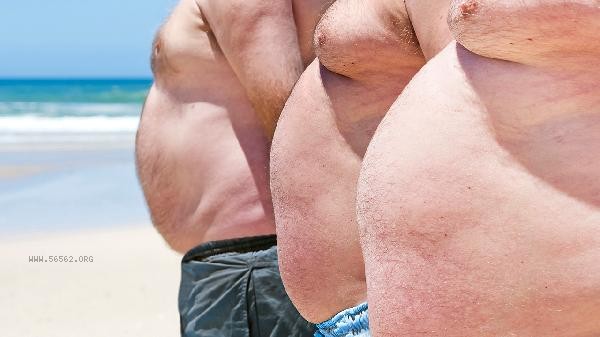
Abdominal liposuction is a medical cosmetic method that removes excess fat from the abdomen through surgery. It is suitable for people with local fat accumulation who are difficult to improve through diet and exercise.
1. Preoperative evaluation
A detailed evaluation should be conducted by a professional doctor before surgery, including measuring fat thickness, assessing skin elasticity, and excluding surgical contraindications. Routine examinations include blood routine, coagulation function, electrocardiogram, etc. Doctors will develop personalized surgical plans based on individual conditions, specifying the range of liposuction and estimating the amount of liposuction. Patients with cardiovascular disease, bleeding tendency, or skin infections are not suitable for surgery.
2. Anesthesia treatment
usually uses local swelling anesthesia or intravenous sedation anesthesia. Swelling anesthesia involves injecting physiological saline containing lidocaine and adrenaline into the fat layer, which can both anesthetize and reduce bleeding. After the anesthesia takes effect, the doctor will make a small incision of 3-5 millimeters in a concealed area of the skin, often around the navel or groin folds.
3. Fat suction
Insert a blunt tipped liposuction tube with a diameter of 2-4 millimeters through an incision, connect it to a negative pressure device, and evenly suction deep fat layers. Traditional liposuction adopts mechanical negative pressure method, while modern technology can choose ultrasonic assisted or laser lipolysis. The operation requires the retention of superficial fat to maintain skin smoothness, and the safe suction volume per session generally does not exceed 3000 milliliters.
4. Postoperative treatment
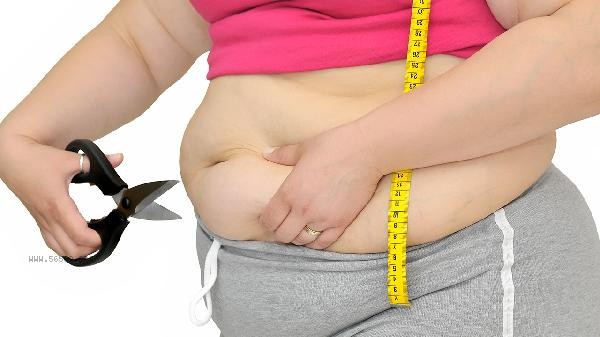
After liposuction, the incision should be sutured and an elastic shapewear should be worn for 3-6 months. Swelling and bruising may occur in the early stages, and antibiotics should be used according to medical advice to prevent infection. Mild activity can be achieved 1-2 days after surgery, stitches can be removed 7 days later, and complete recovery takes 3-6 months. Improper operation may lead to complications such as uneven skin and serum swelling.
5. Effect Maintenance
After liposuction, the number of adipocytes permanently decreases, but the remaining cells still enlarge. It is necessary to combine healthy diet and regular exercise to maintain the effect, ensuring 150 minutes of moderate intensity exercise per week and controlling daily calorie intake. A significant rebound in weight may cause skin laxity, which requires assistance in tightening through radiofrequency or ultrasonic scalpel.
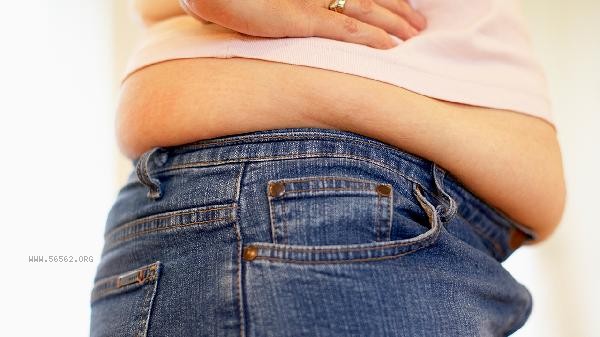
After surgery, the wound should be kept clean and dry, and vigorous exercise should be avoided for one month. The diet should be mainly high in protein and vitamins, with a restriction on high sugar and high-fat foods. Wear shapewear for more than 20 hours a day and regularly review and evaluate recovery. Liposuction is not a substitute for weight loss, and it is necessary to establish long-term health management awareness. Those with excessive body fat percentage should prioritize lifestyle interventions for weight loss.








Comments (0)
Leave a Comment
No comments yet
Be the first to share your thoughts!