
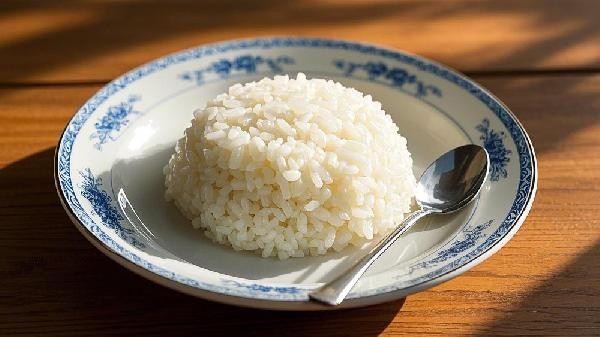
The weight loss method of not eating rice is a dietary approach that aims to control calorie intake and reduce weight by reducing or avoiding high carbohydrate staple foods such as rice.
1. Principle
The main component of rice is carbohydrates, which are converted into glucose for energy after digestion and absorption. When carbohydrate intake is insufficient, the body will instead break down fat for energy, promoting body fat consumption. This method may lead to weight loss in the short term due to water loss and calorie deficit.
2. Alternative Foods
Low glycemic index staple foods such as brown rice and quinoa can be used to replace white rice, increase protein intake such as chicken breast and fish, and pair with high fiber vegetables such as broccoli and spinach. Moderate consumption of nuts and dairy products can help maintain a sense of fullness.
III. Potential Risks
Long term lack of carbohydrates may lead to hypoglycemia, dizziness, and fatigue, and women may experience menstrual disorders. Extreme restrictions on staple foods can easily lead to overeating and may result in insufficient intake of B vitamins and dietary fiber.
4. Applicable Population
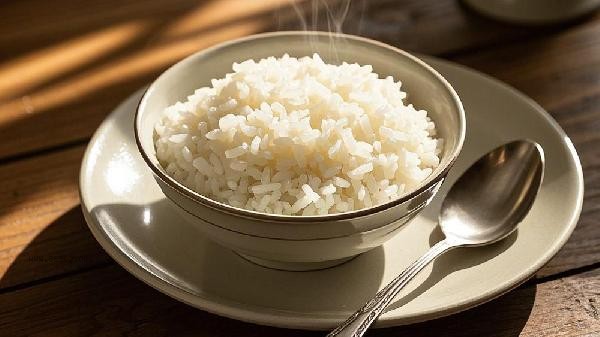
Suitable for individuals who need to lose weight quickly in the short term or those with insulin resistance. Teenagers, pregnant women and patients with diabetes who are in the growth stage should not use this method.
Fifth, Scientific Advice
It is recommended to control rice to one-third of the daily staple food intake, paired with appropriate amounts of high-quality protein and healthy fats. Completely skipping staple foods is not necessary, choosing low GI complex carbohydrates is more sustainable.
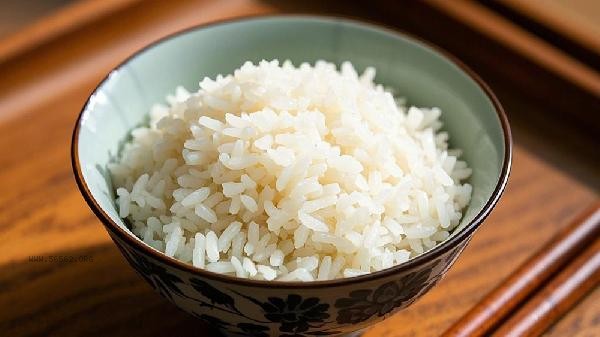
During the implementation of the weight loss method without eating rice, it is necessary to monitor physical reactions and adjust promptly if discomfort such as palpitations and decreased attention occurs. It is recommended to cooperate with impedance exercise to prevent muscle loss, maintain a daily water intake of at least 2000 milliliters, and evaluate nutritional status through regular physical examinations. Long term weight loss still requires establishing healthy habits of balanced diet and regular exercise to avoid falling into a vicious cycle of repeated dieting.








Comments (0)
Leave a Comment
No comments yet
Be the first to share your thoughts!