
When choosing soy sauce, it is recommended to prioritize brewing soy sauce, mainly focusing on product standard number, amino acid nitrogen content, ingredient list composition, production process certification, sodium content and other indicators.
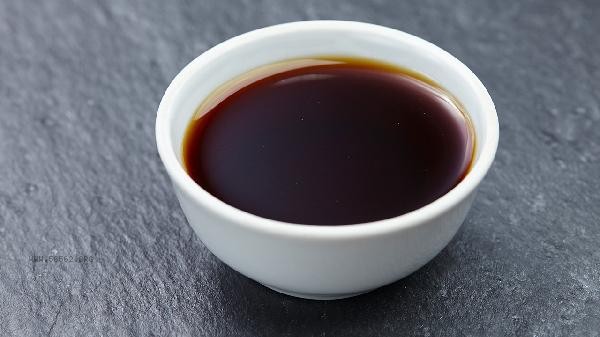
1. Product Standard Number
The product standard number for brewing soy sauce is GB/T18186, and for preparing soy sauce, it is SB/T10336. Brewed soy sauce is produced through natural fermentation process, without preservatives or artificial colors, and has higher safety. When purchasing, you can check the execution standards marked on the packaging to avoid selecting miscellaneous products that are not clearly labeled with standard numbers.
2. Amino acid nitrogen content
The amino acid nitrogen content directly affects the freshness and quality of soy sauce, and special grade soy sauce needs to reach 0.8g/100ml or more. The higher the value, the more complete the fermentation, but it is important to be aware of the potential additive risks associated with abnormally high values. Choosing products within the range of 0.7-1.2g/100ml for regular household use can balance safety and flavor.
3. Ingredients List
High quality brewed soy sauce ingredients should only consist of four raw materials: water, soybeans, wheat, and edible salt. Products containing caramel color, sodium benzoate, sucralose and other additives should be avoided. Special populations should pay attention to whether the ingredients contain allergens such as gluten and soy.
4. Production Process Certification
Soy sauce with organic certification, green food label, or HACCP certification is more trustworthy. These certifications have strict control over raw material cultivation and production processes, which can effectively reduce the risk of pesticide residues and excessive heavy metals. Traditional time-honored brands often have more mature quality control systems.
5. Sodium Content Control
Choosing salt reducing soy sauce with a sodium content below 1200mg/10ml is healthier, and hypertensive patients are recommended to choose low salt products with a sodium content below 800mg. Pay attention to the proportion of sodium content in the nutritional composition table to avoid increasing cardiovascular burden due to long-term excessive intake.

When using soy sauce in daily life, it is recommended to control the daily intake within 15ml. After opening, it should be refrigerated to avoid mold growth. When cooking, acidic seasonings such as vinegar and lemon juice can be used to enhance freshness and reduce salt consumption. Special populations such as pregnant women and infants should choose specialized soy sauce and strictly follow the consumption recommendations indicated on the packaging. When purchasing, try to choose legitimate supermarket channels, pay attention to checking the sealing and shelf life of the packaging, and avoid purchasing products that are close to expiration or have damaged packaging.








Comments (0)
Leave a Comment
No comments yet
Be the first to share your thoughts!