
Thigh muscle relaxation may be related to muscle loss, decreased collagen, sudden weight loss, lack of exercise, changes in hormone levels, and other factors. Thigh skin laxity usually manifests as symptoms such as decreased skin elasticity, fat accumulation, and obvious orange peel tissue.
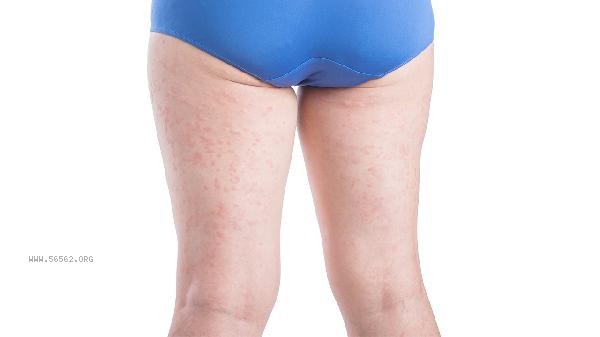
1. Muscle Loss
Long term lack of strength training can lead to atrophy of thigh muscles, resulting in reduced muscle volume and loss of skin support. As age increases, the natural rate of muscle mass loss in the human body accelerates, especially after menopause when estrogen levels decrease. It is recommended to stimulate muscle growth through resistance training such as squats and lunges, combined with high-quality protein intake to help repair muscle fibers.
2. Collagen reduction
The synthesis ability of collagen and elastic fibers in the dermis decreases with age, and factors such as ultraviolet radiation and smoking can damage the collagen structure. When the skin connective tissue lacks support, the thighs are prone to sagging and relaxation. Moderate supplementation of nutrients such as vitamin C and zinc helps with collagen synthesis, and the use of skincare products containing retinol may improve skin firmness.
3. Sudden weight loss
When the weight loss exceeds 20% of the body weight base in a short period of time, the skin contraction rate cannot keep up with the fat consumption rate. Especially for people who have repeatedly lost weight, it is difficult to restore the original tension of the skin after the elastic fibers break. It is recommended to control the weight loss rate at 0.5 to 1 kilogram per week, while combining massage and alternating hot and cold showers to stimulate skin metabolism.
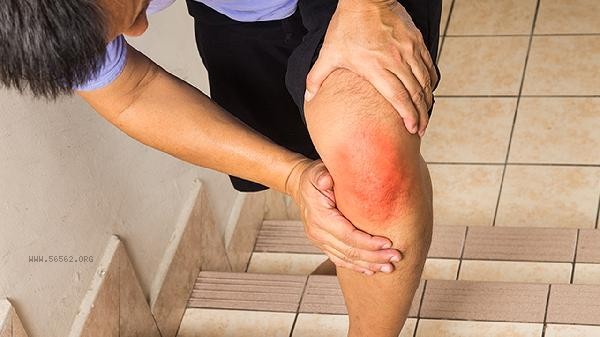
4. Lack of exercise
Prolonged sitting can lead to poor blood circulation in the lower limbs, accumulation of metabolic waste, and affect skin cell renewal. Regular aerobic exercises such as brisk walking and swimming can enhance the oxygen supply capacity of capillaries, promote lymphatic reflux, and eliminate edema. Keep 150 minutes of moderate intensity exercise every week, combined with the foam axis to relax the fascia can improve the skin condition of the thigh.
5. Hormonal level changes
Estrogen fluctuations during special physiological stages such as pregnancy and menopause can affect fat distribution and skin thickness. The deposition of mucopolysaccharides during hypothyroidism can also lead to skin swelling and relaxation. This type of situation requires targeted regulation after endocrinology evaluation, and if necessary, hormone replacement therapy should be performed under the guidance of a doctor. Improving thigh laxity requires comprehensive intervention for at least three months, daily consumption of sufficient water to maintain skin hydration, avoidance of high sugar diets, and prevention of collagen glycation. You can try using body lotion containing caffeine and centella asiatica to assist in tightening, but if severe laxity is accompanied by varicose veins or skin folds and erosion, it is recommended to seek medical attention promptly to assess whether radiofrequency or surgical treatment is needed. Regular sleep patterns and stress management are equally important for maintaining skin health. Ensuring seven hours of sleep at night helps promote growth hormone secretion and tissue repair.









Comments (0)
Leave a Comment
No comments yet
Be the first to share your thoughts!