
The lowest temperature that beans can withstand during their growth process is generally around 10 degrees Celsius, below which growth arrest or freezing damage may occur. The cold resistance of green beans is influenced by factors such as variety differences, growth stages, soil conditions, humidity management, and protective measures.
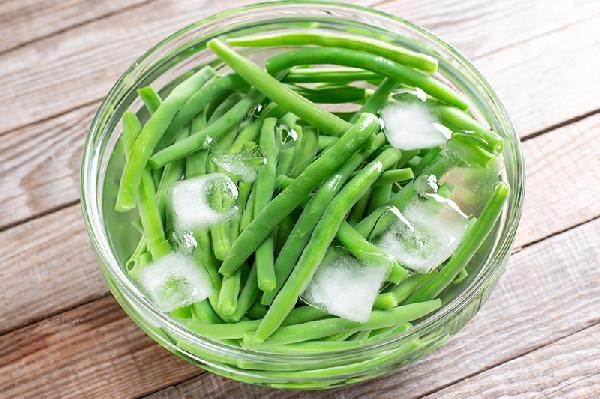
1. Variety Differences
There are significant differences in the cold resistance ability of different varieties. Long cowpea beans are usually less cold resistant than ordinary beans, and some improved varieties such as Northeastern oil beans can survive for a short period of time at around 8 degrees Celsius. Choosing varieties that are adapted to the local climate is the foundation for preventing low-temperature damage.
2. Growth stage
The seedling stage is most sensitive to low temperature, and if it lasts for 12 hours below 5 degrees Celsius, it may freeze damage the cotyledons; Encountering temperatures below 10 degrees Celsius during the flowering and pod setting period can lead to flower and pod drop. It is recommended to maintain a nighttime temperature of no less than 15 degrees Celsius during the seedling period.
3. Soil Conditions
Loose and fertile soil is more conducive to root insulation than compacted soil, and plots with high organic matter content usually have a soil temperature 2-3 degrees Celsius higher. Deeply plowing the soil and covering it with plastic film before sowing can enhance the cold resistance of the root zone.
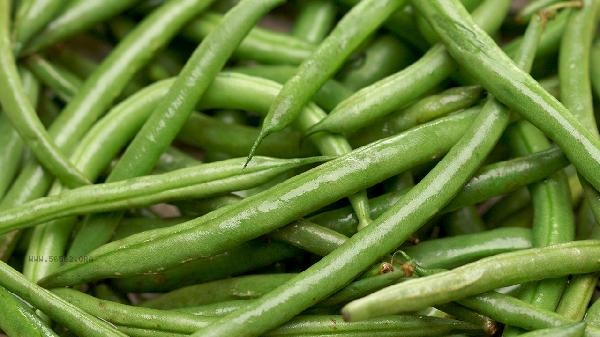
4. Humidity Management
Excessive soil moisture content can accelerate soil temperature loss, but moderately humid air can buffer the effects of low temperatures. The watering shall be controlled 3 days before the cold wave, and the air humidity shall be kept at about 60% through spray.
5. Protective Measures
Temporary construction of a small arch shed can raise the temperature inside the shed by 3-5 degrees Celsius above the outside. After a cold wave warning, straw can be used to cover the base of the plant. Spraying potassium dihydrogen phosphate solution can enhance cell frost resistance, but foliar fertilization should be stopped when the temperature is below 5 degrees Celsius. For family growers, it is recommended to choose cold resistant varieties during early spring and late autumn planting, use black plastic film covering to increase soil temperature, and stop nitrogen fertilizer application before the cold wave arrives. Greenhouse planting should pay attention to regulating the temperature difference between day and night. When the temperature drops sharply at night, a fuel heater can be used to assist in heating up. Continuous low temperature and rainy weather require timely drainage and flood prevention to avoid root suffocation and worsening frost damage. Beans harvested during the harvest period may become hard in taste when exposed to low temperatures. It is recommended to harvest them in advance or use them as feed.








Comments (0)
Leave a Comment
No comments yet
Be the first to share your thoughts!