
The fat content of whole milk is generally between 3% and 4%, and the specific value may vary slightly due to differences in origin, processing technology, and cattle breed. The natural fat structure of whole milk includes saturated fatty acids, monounsaturated fatty acids, and a small amount of polyunsaturated fatty acids, while carrying fat soluble nutrients such as vitamins A, D, E, and K. Full fat substances are evenly distributed in milk in the form of chylomicrons, giving it a rich taste and unique flavor. The fat content directly affects the calorie value of milk. Every 100 milliliters of whole milk provides about 60-70 kcal of energy, of which fat contributes about 50%. The phospholipids and sphingolipids encapsulated in the milk fat globule membrane have potential benefits for the development of the nervous system in infants and young children, but attention should be paid to controlling the total daily intake.

Some specially processed whole milk may adjust the fat ratio through centrifugal separation technology, such as retaining 1.5% -2% fat in some skim milk, while standard whole milk needs to meet industry standards of no less than 3%. The grazing method significantly affects the fatty acid composition, and the milk produced by grass fed cows usually contains a higher proportion of conjugated linoleic acid. The digestion and absorption rate of milk fat is related to individual lactase activity, and lactose intolerant individuals can choose fermented dairy products as a substitute.
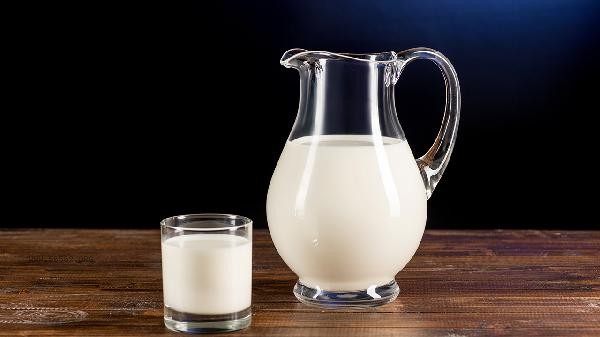
It is recommended that healthy adults consume around 300 milliliters of whole milk per day, which can be balanced with whole grains and dark vegetables. Individuals at high risk of cardiovascular disease should consult a nutritionist to adjust their intake of dairy products. Children and pregnant women during their growth and development period can increase their intake to 500 milliliters appropriately. Pay attention to observing gastrointestinal reactions after drinking. People with milk protein allergies should avoid consuming it. When choosing calcium fortified plant-based milk as a substitute, pay attention to the calcium content and vitamin D addition indicated on the product's nutrition chart.








Comments (0)
Leave a Comment
No comments yet
Be the first to share your thoughts!