
The fat content of soybean sprouts is relatively low, with about 1-2 grams of fat per 100 grams of soybean sprouts. Soybean sprouts are low-fat and high protein ingredients, with main nutritional components including protein, dietary fiber, vitamin C, B vitamins, and minerals such as calcium and iron. Soybean sprouts are made by sprouting soybeans, during which some of the fat is converted into energy for embryo growth, resulting in a lower fat content than soybeans themselves. Its fat is mainly composed of unsaturated fatty acids, including linoleic acid and linolenic acid, which help regulate blood lipid metabolism. The protein content of soybean sprouts can reach 5-7 grams per 100 grams, and it contains essential amino acids for the human body, making it a high-quality source of protein. The dietary fiber content is about 2-3 grams, which can promote gastrointestinal peristalsis. The content of vitamin C significantly increases during germination, reaching 10-15 milligrams, and has antioxidant properties. Special varieties or different growth stages of soybean sprouts may have differences in fat content. Some commercially cultivated soybean sprouts may have slight fat changes due to the addition of nutrient solutions, but overall they still belong to the low-fat category. The fat content of soybean sprouts cultivated by hydroponics is usually slightly lower than that of soil cultivated varieties. If deep frying or high oil cooking methods are used, the fat content of the finished product will significantly increase.
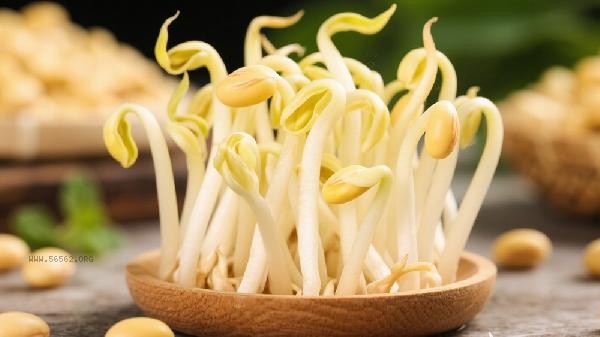
It is recommended to choose soybean sprouts as a high-quality vegetable in daily diet, and cold or quick stir fry can maximize the retention of nutrients. Pairing with ingredients such as fungus and carrots can increase dietary fiber intake, and cooking with lean meat can improve protein utilization efficiency. People with weak gastrointestinal function should be fully heated before consumption to avoid digestive disorders that may be caused by raw food. Regular consumption of soybean sprouts can help supplement plant protein and trace elements, but it is important to pay attention to a balanced combination with other vegetables to ensure nutritional diversity.








Comments (0)
Leave a Comment
No comments yet
Be the first to share your thoughts!