
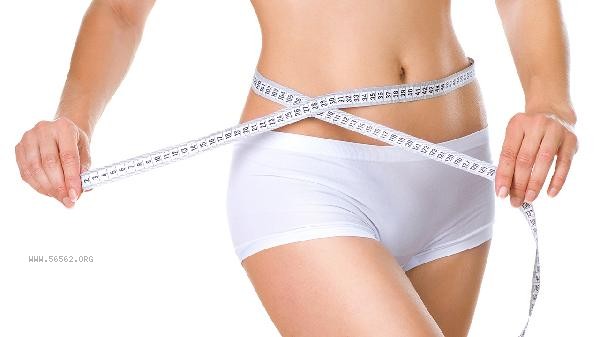
The fastest ways to lose weight on the buttocks mainly include controlling diet, aerobic exercise, strength training, adjusting lifestyle habits, and medical weight loss.
1. Control diet
Reducing the intake of high calorie, high-fat, and high sugar foods and increasing the intake of high-quality protein and dietary fiber can help reduce fat accumulation in the buttocks. You can consume low calorie and high nutrient foods such as chicken breast, fish and shrimp, and broccoli in moderation. Avoid fried foods and sweets, and control daily total calorie intake reasonably.
2. Aerobic exercise
Aerobic exercises such as jogging, swimming, and skipping rope can effectively burn body fat and have a significant effect on weight loss in the buttocks. Engaging in aerobic exercise 3-5 times a week for at least 30 minutes each time, combined with appropriate heart rate control, can achieve the best weight loss effect.
3. Strength Training
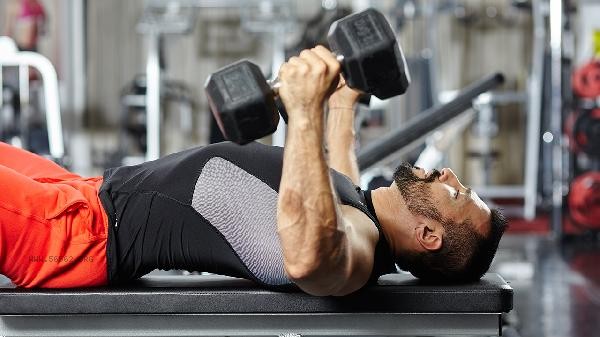
Deep squats, lunges, hip bridges, and other strength training targeting the muscles of the buttocks can tighten the lines of the buttocks. By increasing muscle mass and improving basal metabolic rate, the weight loss effect can be more long-lasting. It is recommended to conduct 2-3 specialized training sessions per week. In the initial stage, self weight training can be used, and in the later stage, weight can be appropriately increased.
4. Adjust lifestyle habits
Avoid sitting for long periods of time, and get up and move for 5-10 minutes every hour. Ensuring sufficient sleep helps regulate metabolism. Get rid of bad sitting habits such as crossing legs, as these daily details can affect the distribution of fat in the buttocks.
5. Medical weight loss
For stubborn hip fat, medical cosmetic methods such as cryolipolysis and radiofrequency lipolysis can be considered. These methods may require multiple treatments to take effect and have a certain recovery period, and should be carried out under the guidance of a professional physician. Medical methods should be combined with a healthy lifestyle to maintain long-term effects.
Hip weight loss requires a combination of dietary control and exercise, there are no shortcuts to take. It is not recommended to adopt extreme dieting or excessive exercise. Gradual progress is necessary to ensure physical health while effectively shaping the body. Developing a reasonable weight loss plan and persisting in it for the long term is key, as rapid weight loss in the short term can easily lead to a rebound. If there is a period of weight loss plateau, the plan should be adjusted in a timely manner, and if necessary, professional nutritionists or fitness coaches can be consulted for advice.








Comments (0)
Leave a Comment
No comments yet
Be the first to share your thoughts!