
The fastest weight loss methods mainly include surgical weight loss, medication intervention, extremely low calorie diet, high-intensity interval training, and strict dietary management. But any rapid weight loss method must be carried out under the supervision of a professional doctor.
1. Surgical weight loss
Metabolic surgery such as sleeve gastrectomy achieves rapid weight loss by reducing gastric volume, making it suitable for severely obese individuals with a body mass index exceeding 35. Surgery requires evaluation of cardiovascular and pulmonary function, and there may be a risk of malnutrition after surgery, requiring lifelong supplementation of vitamins and minerals.
2. Drug intervention
Orlistat capsules can inhibit fat absorption, while Liraglutide injection can delay gastric emptying. Medications need to be accompanied by dietary control, and the usage period generally does not exceed 6 months. Common adverse reactions include gastrointestinal discomfort and contraindications for those with abnormal liver function.
3. Extremely low calorie diet
A medical meal replacement plan with a daily intake controlled within 800 calories must be implemented under the monitoring of a nutritionist. In the early stages, it may cause fatigue and headaches, and weight loss can reach 1-1.5 kilograms per week. Not applicable to diabetes patients and pregnant women.

4. High intensity interval training
HIIT training increases metabolic rate through short bursts of exercise, and a 20 minute training can consume 300-400 calories. Exercise risk assessment is required, and patients with joint diseases should avoid jumping movements.
5. Strict dietary management
Implement a protein based ketogenic diet or completely eliminate refined carbohydrates, requiring precise calculation of nutrient ratios. Ketosis reactions may occur, and the duration is not recommended to exceed 3 months.
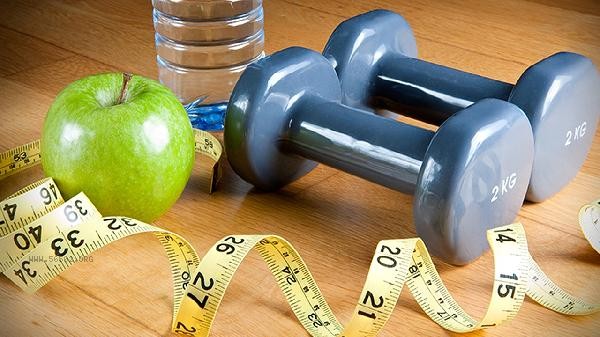
It is recommended to adopt a gradual weight loss strategy, with a weekly weight loss not exceeding 1% of total weight. Maintain 30 minutes of aerobic exercise daily, increase intake of dark vegetables and high-quality protein, and ensure 7-8 hours of sleep. Regularly monitor changes in body composition to avoid excessive reliance on rapid weight loss methods that can lead to metabolic disorders.








Comments (0)
Leave a Comment
No comments yet
Be the first to share your thoughts!