
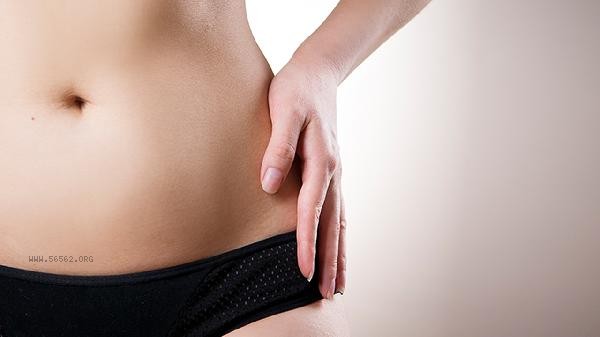
Postpartum abdominal weight loss can be achieved through methods such as controlling diet, moderate exercise, adjusting lifestyle, physical therapy, and medical intervention. Factors such as rectus abdominis separation, hormonal fluctuations, fat accumulation, metabolic slowdown, and pelvic floor muscle relaxation may affect weight loss outcomes.
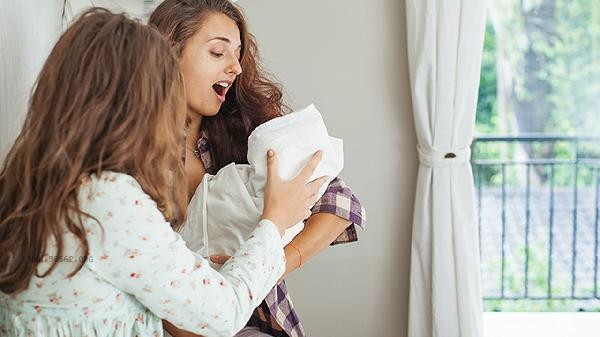
1. Controlling diet
Reasonably controlling calorie intake is the foundation of postpartum weight loss. Postpartum women can reduce their intake of high sugar and high-fat foods appropriately, and increase their intake of high-quality protein and dietary fiber, such as eggs, fish, lean meat, broccoli, etc. breastfeeding mothers should pay attention to balanced nutrition and avoid excessive dieting that affects milk secretion. Eating small meals can help stabilize blood sugar levels and reduce the likelihood of overeating.
2. Moderate Exercise
Postpartum exercise should be gradually carried out according to the body's recovery situation. In the early stages, low-intensity exercise such as walking and postpartum yoga can help promote blood circulation and gastrointestinal peristalsis. After 6-8 weeks, if the body recovers well, aerobic exercise and core training such as brisk walking, swimming, and plank support can be increased. Exercise should be gradual and avoid physical injuries caused by intense exercise.
III. Adjusting Lifestyle
Maintaining good sleep habits can help regulate hormones and promote metabolism. Avoid staying up late and ensure 7-8 hours of sleep every day. Reduce sedentary time by getting up and moving for 5-10 minutes every hour. Breastfeeding itself can burn a certain amount of calories, helping with uterine contractions and weight recovery. Maintain a happy mood and avoid overeating caused by excessive stress.

4. Physical therapy
For women with severe rectus abdominis muscle separation, electrical stimulation therapy or manual massage can be tried to help restore rectus abdominis muscle function. The abdominal harness can be used for a short period of time under the guidance of a doctor, but should not be relied upon. Local hot compress or low-frequency pulse therapy may help promote blood circulation, but have limited effects on fat breakdown. Physical therapy needs to be combined with exercise to achieve the desired effect.
V. Medical Intervention
For stubborn obesity with poor dietary and exercise effects, medical intervention can be considered after evaluation by a doctor. Abdominal wall shaping surgery can remove excess skin and fat, but there are surgical risks involved. Non invasive treatments such as cryolipolysis and radiofrequency lipolysis may require multiple attempts. Any medical treatment should be selected under the guidance of a professional doctor and coordinated with subsequent health management. Postpartum weight loss is a gradual process, and it is not advisable to pursue speed and adopt extreme methods. During breastfeeding, it is necessary to ensure adequate nutrition supply to avoid affecting the health of both mother and baby. It is recommended to lose no more than 0.5 kilograms per week and gradually regain pre pregnancy weight within 6-12 months for greater safety. If symptoms such as persistent fatigue and dizziness occur, seek medical attention promptly for examination. Establishing healthy eating and exercise habits not only helps with weight loss, but also prevents the occurrence of chronic postpartum diseases.








Comments (0)
Leave a Comment
No comments yet
Be the first to share your thoughts!